


Every chess match is a silent war, where every decision to advance a Pawn, capture a Knight, or check the King embodies the culmination of intellect and strategy. Yet before chess became the global intellectual sport admired by millions today, these pieces embarked on a remarkable journey across civilizations. Questions such as when was chess invented and who invented chess have long transcended the boundaries of dry historical inquiry, becoming a fascinating quest to unravel legendary tales that guide us back through time from the ancient palaces of the East to the modern chessboards of today. Understanding the origins of chess and discovering when and where was chess invented not only helps you master the essential chess basic rules but also fosters a deeper appreciation for every strategic move made on the battlefield.
Maztermind: Where a thousand-year legacy meets contemporary art
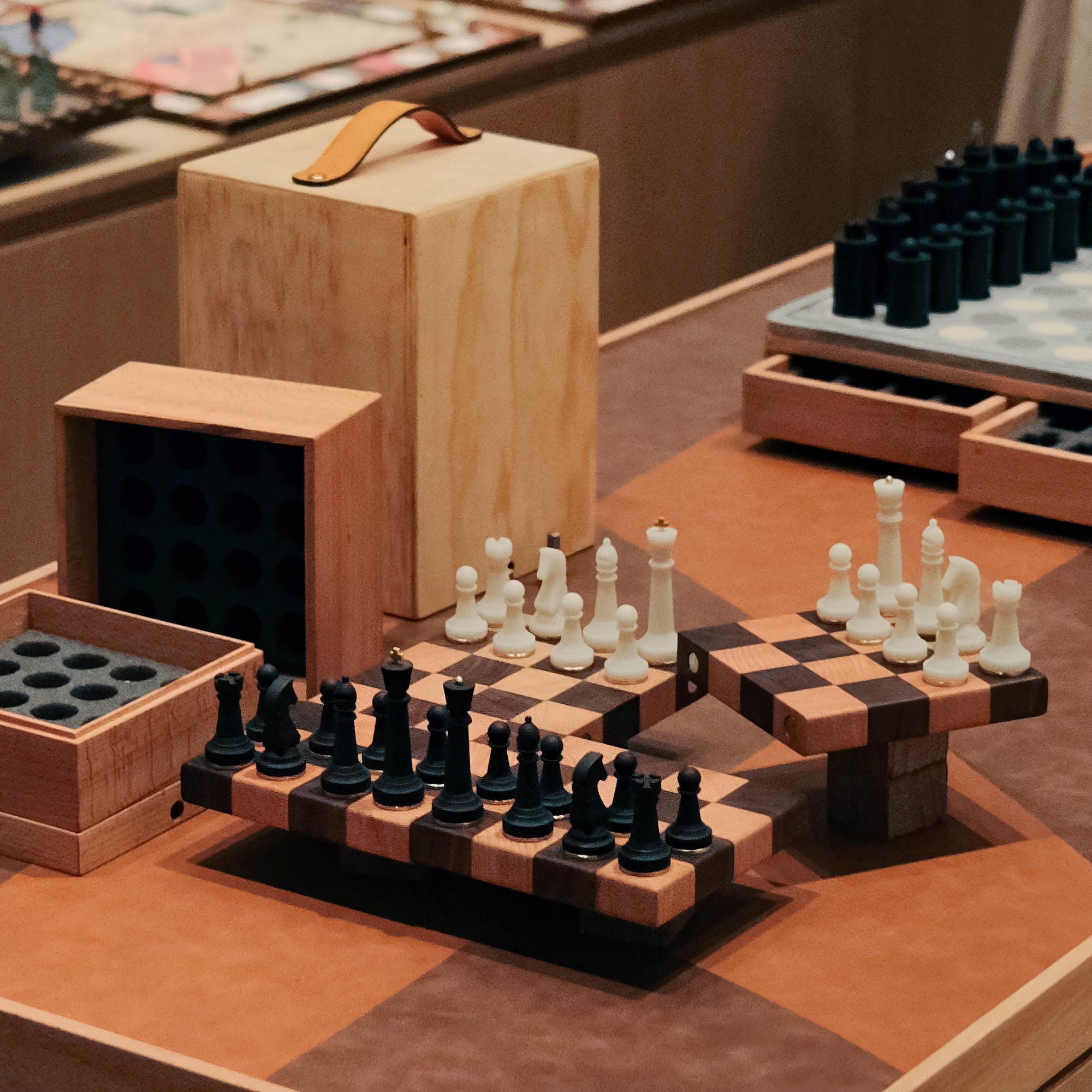
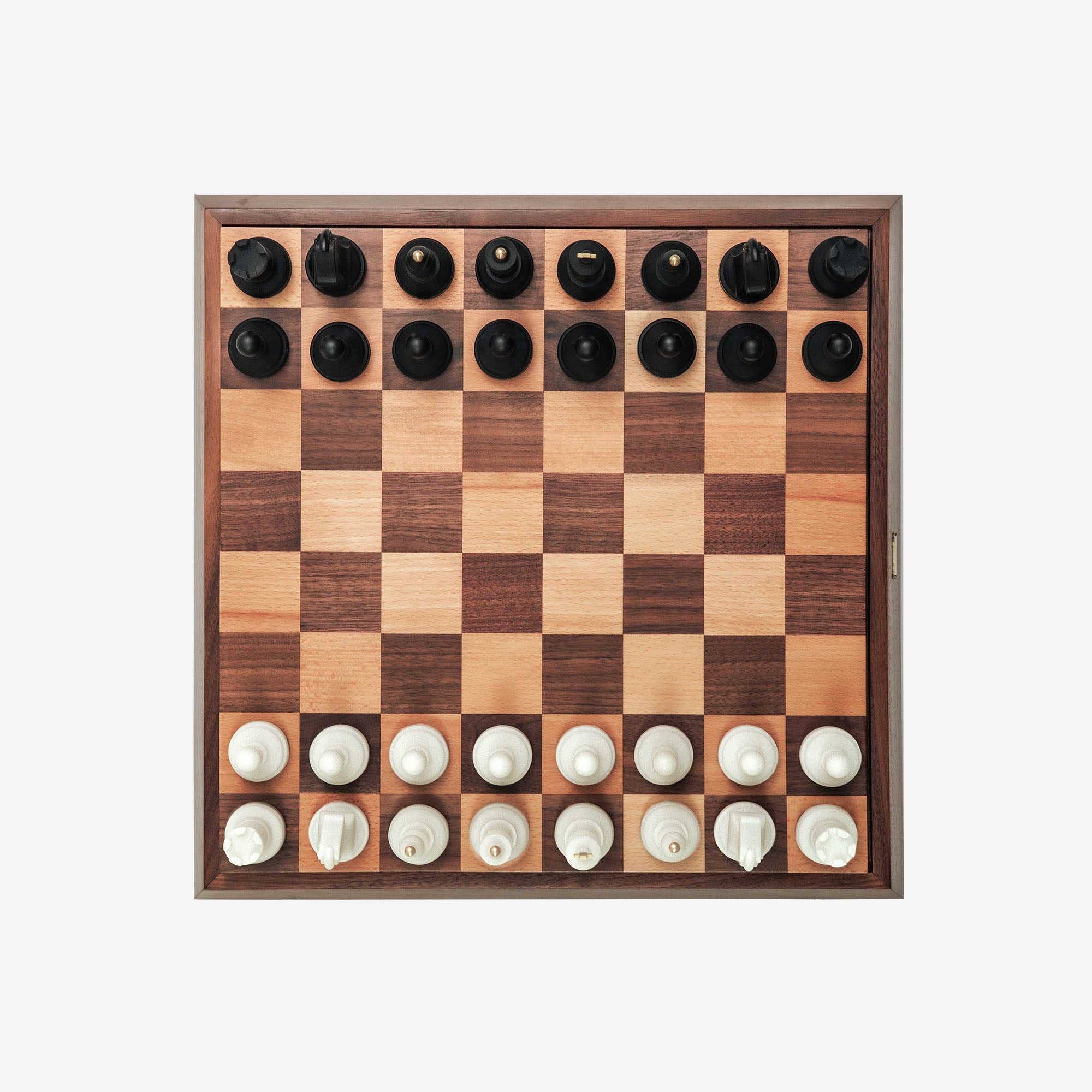
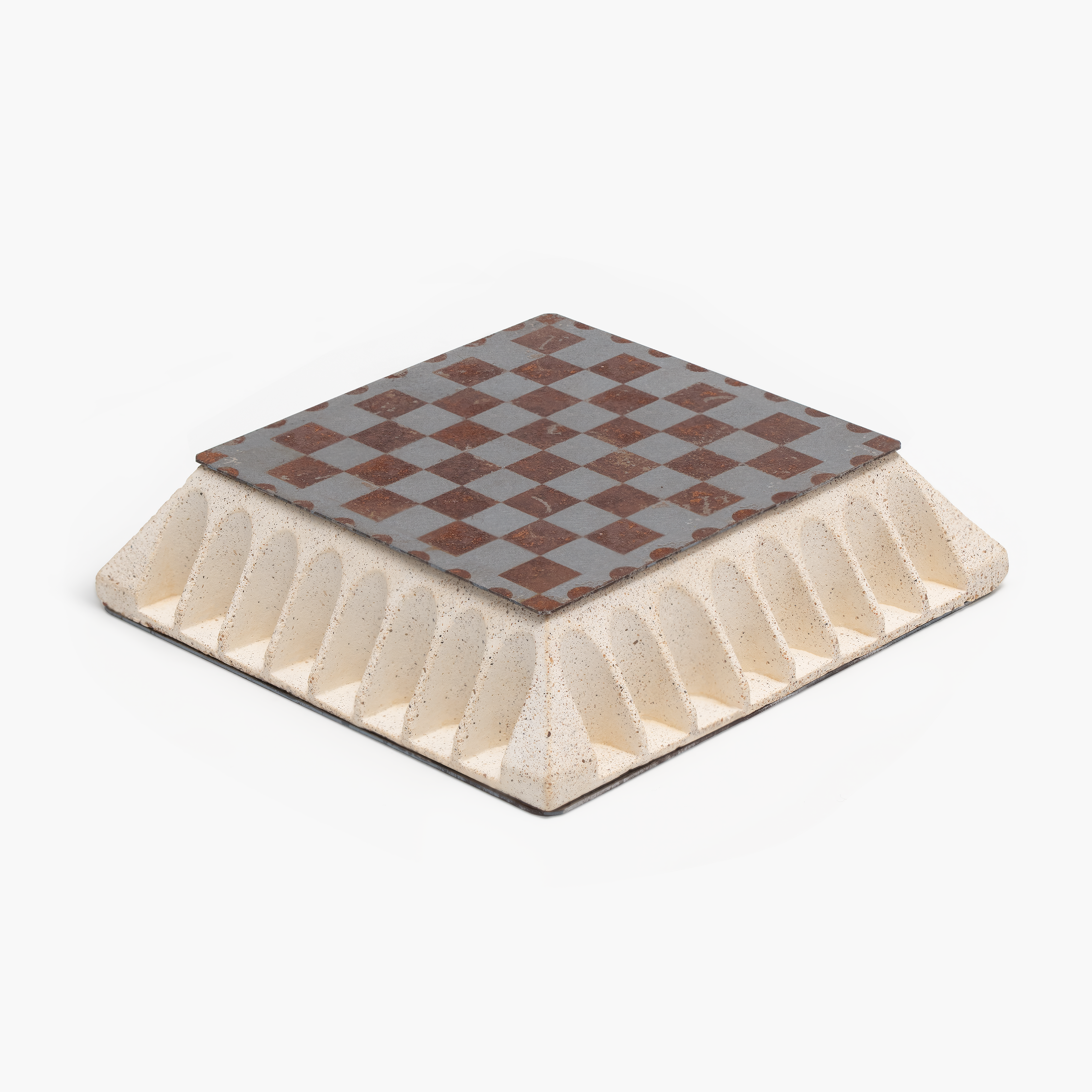
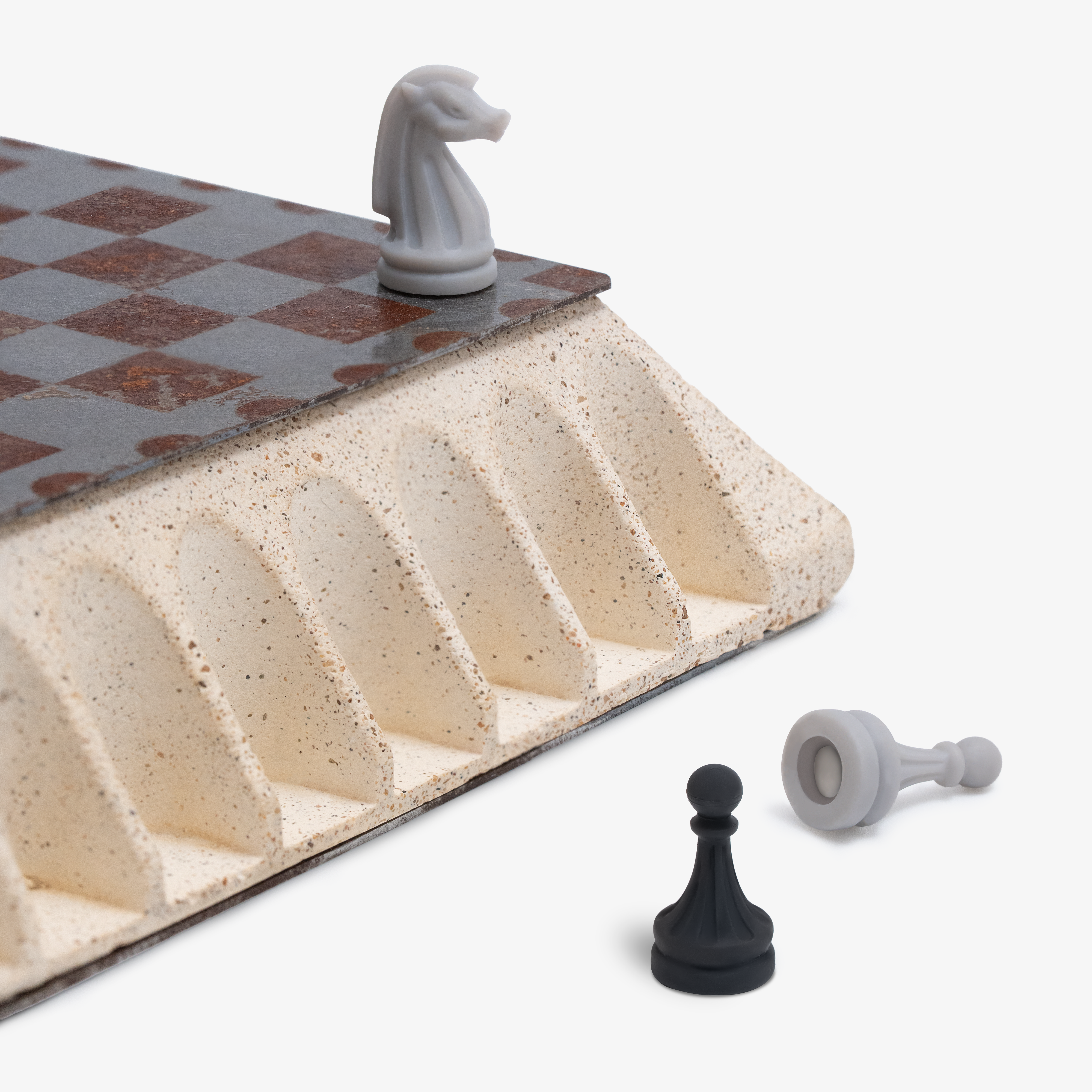
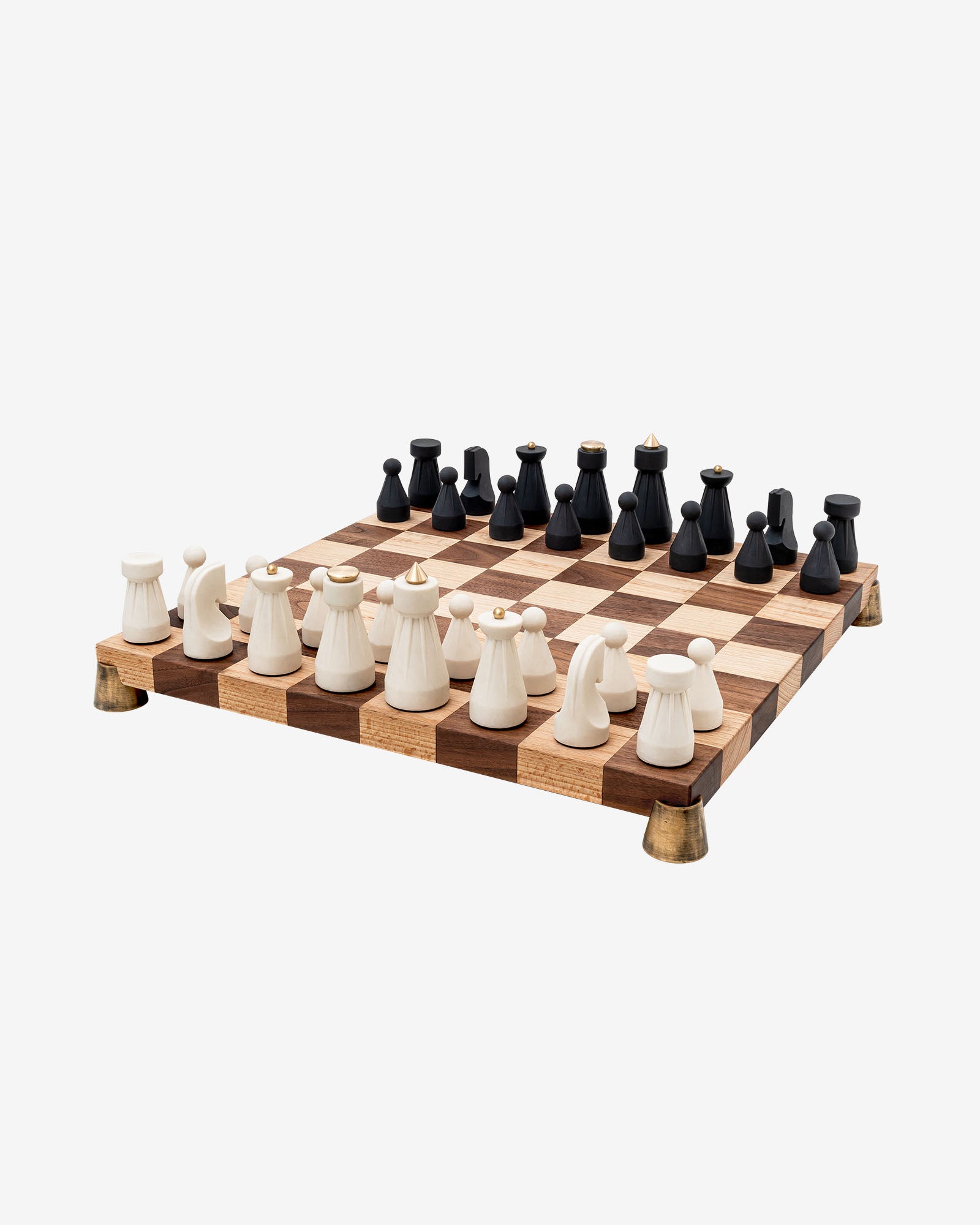
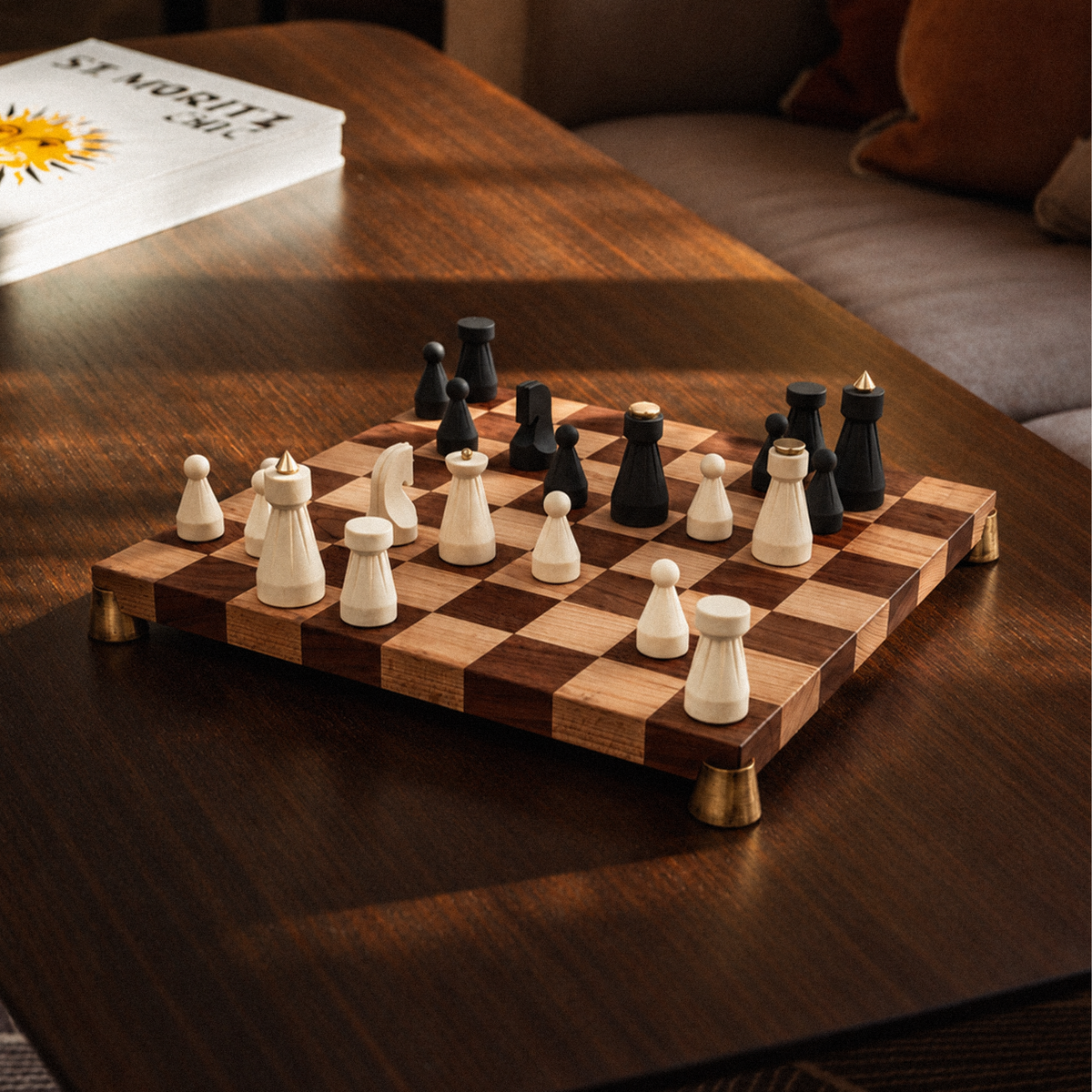
The journey of exploring when and where was chess invented becomes more vivid and immersive than ever when you experience the feeling of commanding an army upon artistic battlefields. At Maztermind, we bring this millennia-old heritage back to life through meticulously handcrafted premium chess sets, where the spirit of tradition meets the refined aesthetics of contemporary design.
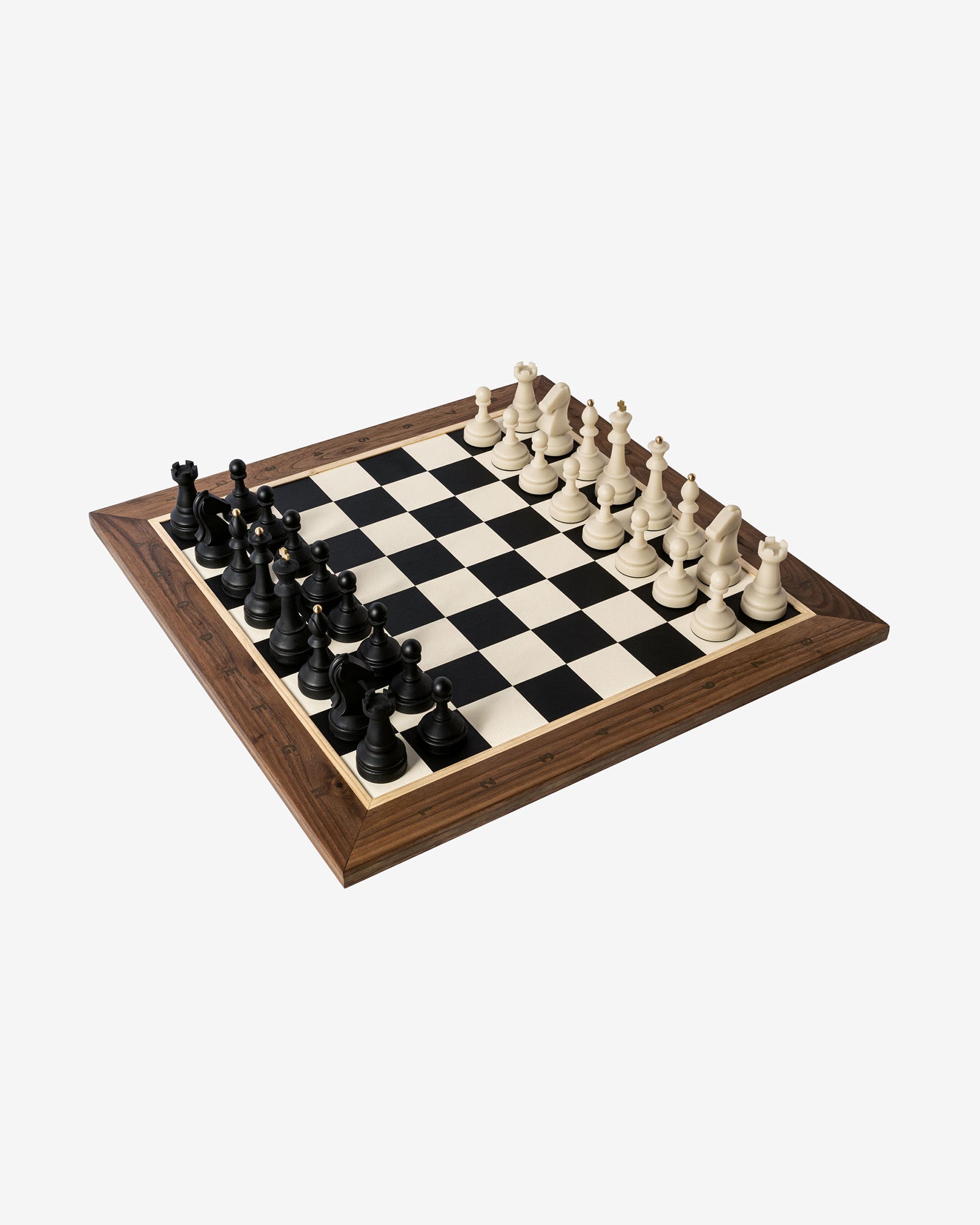
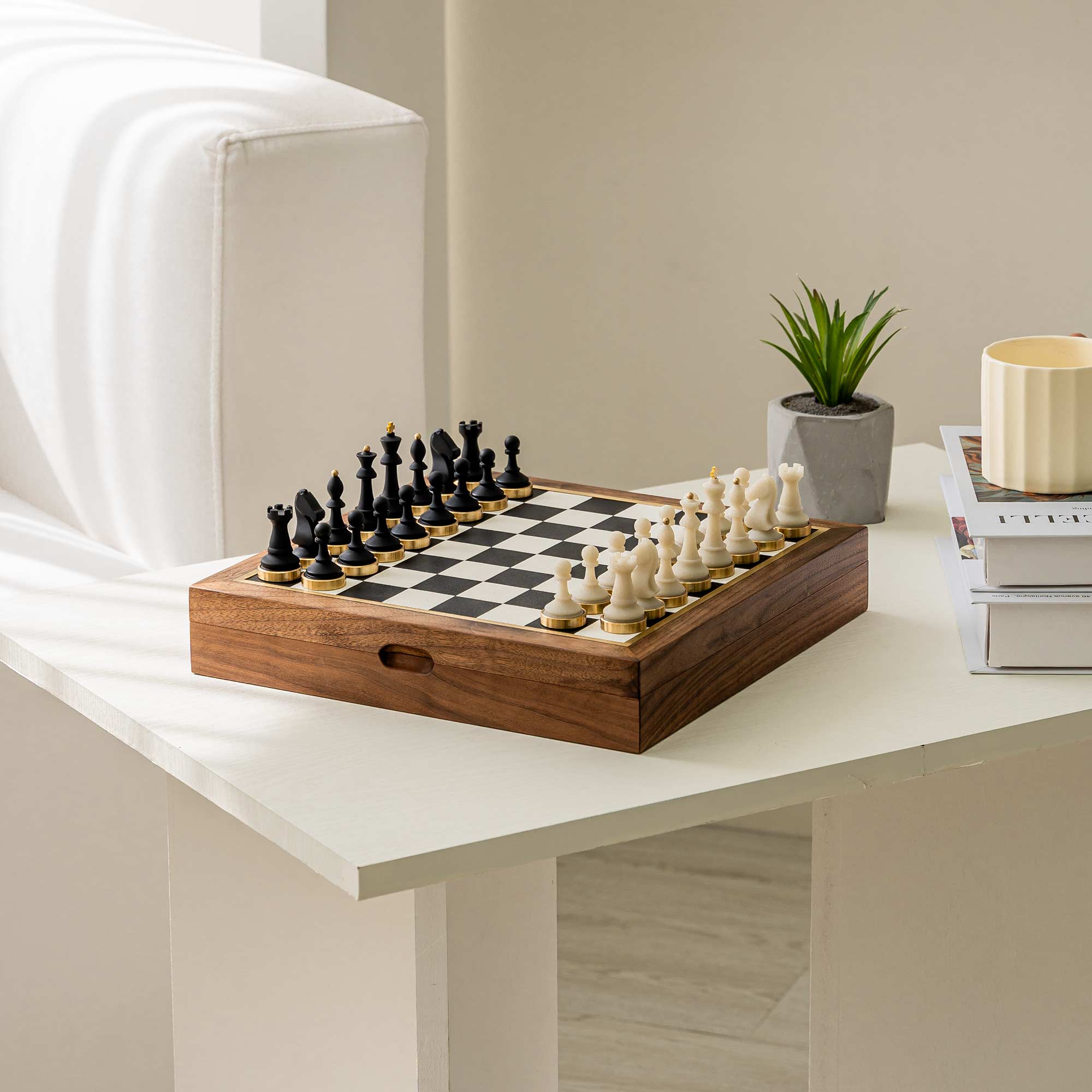
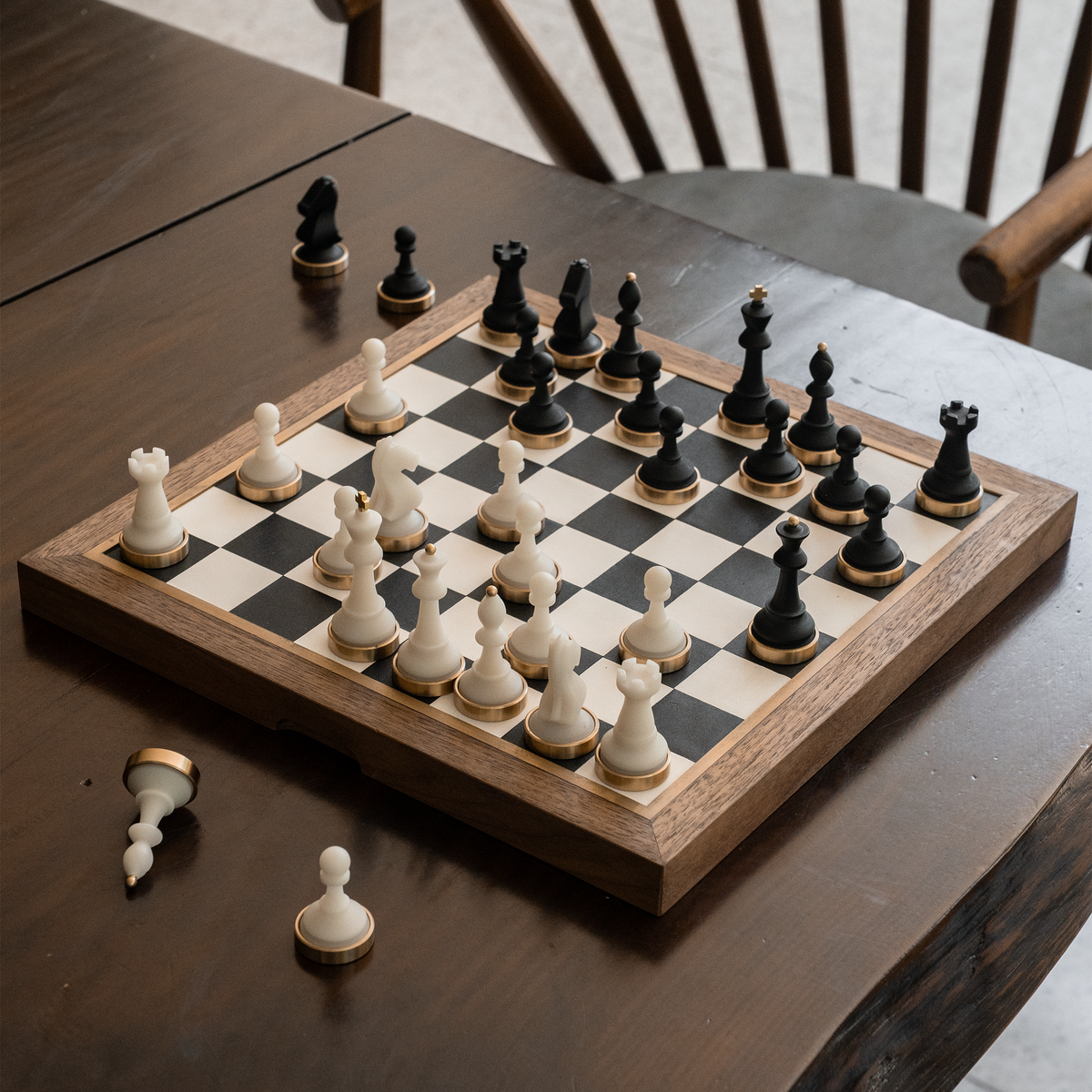
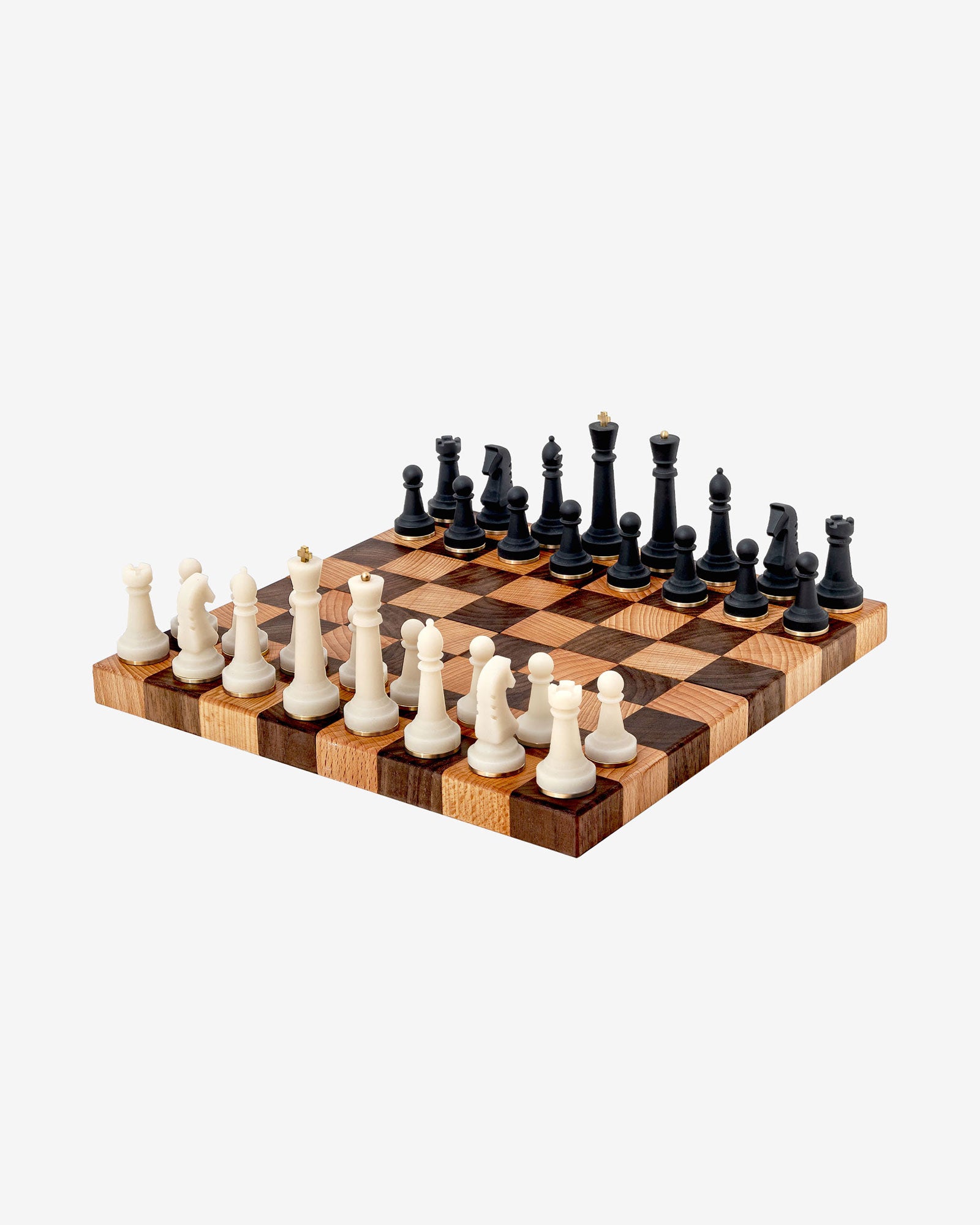
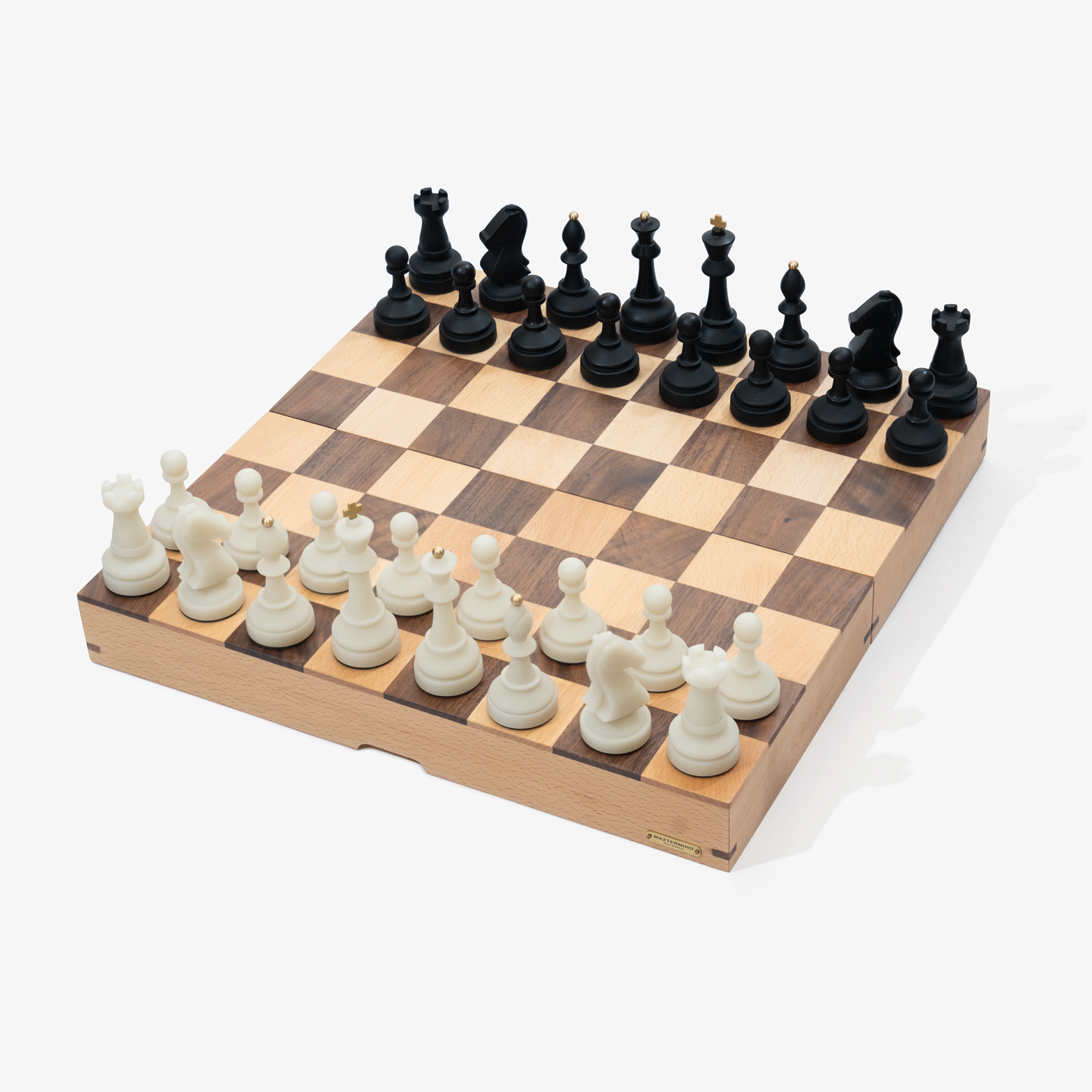
Every chess set within the Maztermind collection from internationally standardized designs and contemporary minimalist styles to majestic creations inspired by royal grandeur is infused with the purpose to become another chapter in humanity’s ongoing historical narrative. Featuring solid-cast Resin and Concrete chess pieces with a satisfyingly substantial weight, harmoniously paired with smooth leather boards and warm Walnut wood boxes, Maztermind products not only reconnect you with the story behind who invented the board game chess, but also serve as sophisticated décor pieces capable of elevating any living space.

Maztermind replicates a thousand-year heritage through meticulously hand-crafted chess sets
>>> See more: Experience the royal elegance of The Regal Chess Set
Traveling back through time: When and Where was Chess invented?
According to historical research and archaeological records, chess underwent a remarkable process of development and expansion across centuries:

From Chaturanga to modern chess, each piece carries a story of cultural transformation
Chaturanga – The origin in ancient India
Chess is widely believed to have originated from Chaturanga, a game that emerged during the Gupta Empire in northwestern India around the 6th century before spreading along major trade routes. This game represented the military structure of the era through four distinctive divisions: infantry, cavalry, elephant corps, and chariot forces.
Shatranj – The crucial step in persia
From India, the game traveled into Persia during the Sasanian Empire around 600 CE and became known as Shatranj. It was here that the rules were further standardized. When a King came under attack, players would call out “Shah!” (“King!”), and when the King could no longer escape, the phrase “Shah mat!” (“The King is defeated”) was declared, forming the origin of the modern term “Checkmate.”
Global expansion and the European transformation
Following the Islamic conquest of Persia, Shatranj spread throughout the Islamic world before entering Europe through Spain (Al-Andalus) and Italy during the 10th century. By the late 15th century, the game underwent a revolutionary transformation in Europe when the Bishop and especially the Queen gained significantly enhanced movement abilities. This evolution transformed chess from a slow-paced strategic pastime into the dynamic and highly tactical game recognized today, shaping modern chess rules and moves.
Who invented chess? Legends and historical truths
Although no official historical document identifies a single individual as who invented chess, the flow of history has preserved many fascinating legends surrounding its origins.
One of the most famous stories tells of a wise Indian sage named Sissa. In an effort to teach a young king the importance of every humble citizen within his kingdom, he created the game of chess. Deeply impressed, the king offered Sissa any reward he desired.
Instead of asking for treasure, Sissa requested what appeared to be a modest reward: one grain of rice for the first square of the chessboard, then double the amount on each subsequent square. By the time all 64 squares had been counted, the total number of grains exceeded the production capacity of the entire kingdom. Astonished, the king came to understand a profound lesson about humility and the extraordinary power of mathematical thinking hidden within the black-and-white squares.
Experiencing a timeless game
Although when was the chess invented dates back more than 1,500 years, its fundamental principles of strategic movement and logical thinking have remained remarkably intact through a clear sequence of gameplay:
- Setting up the battlefield: Ensuring the correct number of chess pieces (32 in total) are placed symmetrically across the 64-square board following the proper chess board setup lays the foundation for both sides before the coming confrontation.
- Strategic opening play: Executing a strong chess board arrangement allows players to apply concepts from the 10 best chess openings for beginners, advancing central Pawns and rapidly developing minor pieces like Knights and Bishops to claim control over the center.
- Coordinated offensive action: Mobilize powerful major pieces such as the Rooks and Queen to create continuous pressure and dismantle your opponent’s defensive structure.
- Checkmate: Force the opposing King into a position where it is under attack and has absolutely no legal escape, securing a glorious victory.
>>> See more: Learn how to arrange the board correctly with our proper chess board set up guide for beginners to start.
To understand the history of chess is to understand the evolution of human thought itself. From the profound strategic philosophies of ancient civilizations to the meticulously handcrafted chess sets created by Maztermind today, chess remains an invisible bridge connecting the past and the present.
Allow Maztermind to accompany you in preserving and honoring this thousand-year legacy, where every chess match is far more than a simple battle of intellect, it is a journey into a lifestyle defined by artistry, sophistication, and enduring depth.
You might be interested in






Leave a comment
This site is protected by hCaptcha and the hCaptcha Privacy Policy and Terms of Service apply.