

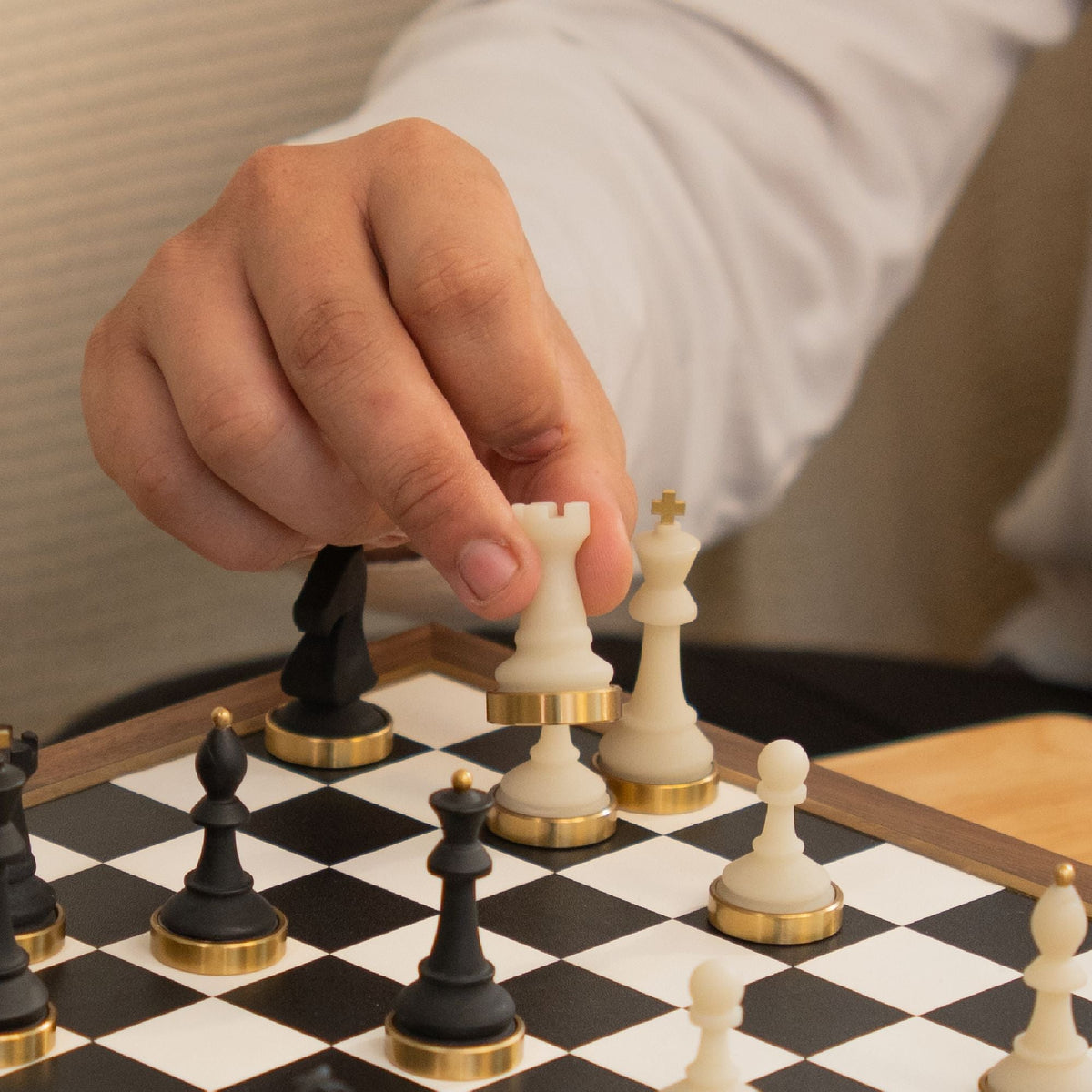
Have you ever completely dominated your opponent on the chessboard, commanding an overwhelming army against a lone King, only to realize that the game ends in a frustrating draw? In the world of Western chess, there is a famous saying: "The hardest game to win is a won game." That perfectly captures the irony of a chess stalemate, a psychological and tactical trap that frequently allows the weaker side to turn the tables at the very edge of defeat. Understanding what is a stalemate in chess not only helps you preserve well-deserved victories but also elevates your strategic thinking when facing formidable opponents.
Common draw situations under the international laws of chess
In international chess culture, a draw is far from a dull result. Instead, it represents the outcome of an intense battle of minds, where both players reach the limits of either perfection or imperfection. The Laws of Chess established by FIDE clearly define the situations in which a game is declared drawn.
- Draw by agreement: This commonly occurs in professional tournaments when both players recognize that the position is completely balanced and mutually agree to end the game peacefully.
- Threefold repetition: If exactly the same board position including the placement of all pieces and the player whose turn it is to move occurs three times, the game may immediately be declared a draw.
- The 50-move rule: If fifty consecutive moves are played by both sides without any Pawn movement or any capture, either player has the right to claim a draw.
- Insufficient mating material: When neither player possesses enough material to deliver a legal checkmate for example, King versus King, King and Bishop versus King, or King and Knight versus King the game is automatically drawn.
- Chess stalemate: This classic endgame situation occurs when one player has no legal move available, even though their King is not currently under attack.

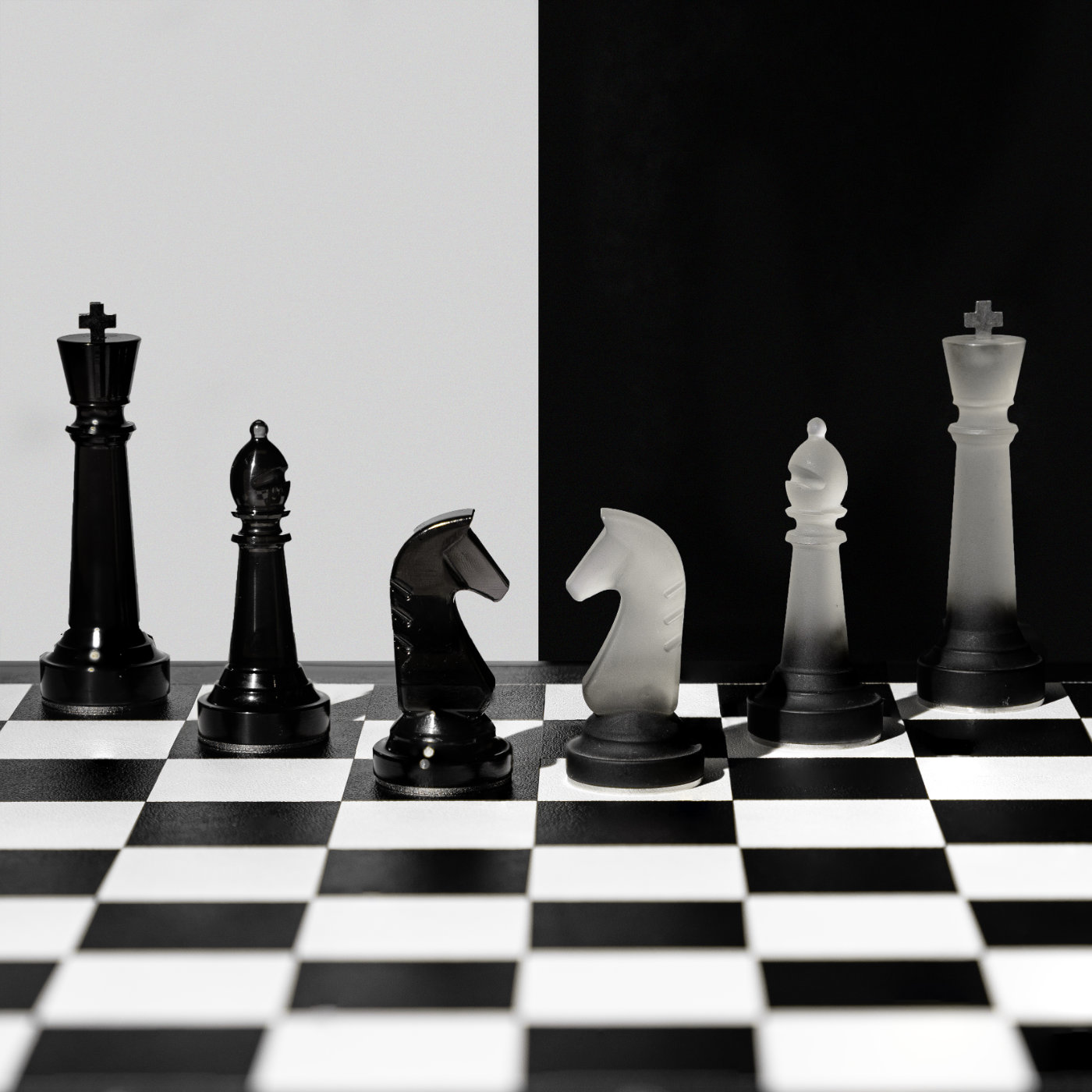
A draw game — where two minds achieve balance
The nature of chess stalemate: A forced end to the game
The concept of stalemate in chess serves as both a punishment for the carelessness and overconfidence of the stronger side and a reward for the resilience of the defender.
According to the official Laws of Chess established by the International Chess Federation (FIDE), a chess stalemate is automatically scored as a draw. It occurs when the player whose turn it is has no legal move available for either the King or any remaining piece, while the King itself is not in check.
Once this position is reached, the game ends immediately. Each player receives half a point, regardless of how overwhelming one side's material advantage may have been.
The difference between checkmate and stalemate
Many intermediate players still confuse these two concepts because both bring the game to an immediate conclusion.
- Checkmate: The King is under attack (in check) and has no legal escape. It cannot move away, block the attack, or capture the attacking piece. This results in an absolute victory.
- Stalemate: The King is completely safe and not in check. However, neither the King nor any other piece belonging to that player has a legal move available. The game therefore ends as a draw.
>>> See more: Explore the Luxury Mahjong Set, where handcrafted artistry elevates every game night.
A three-step process for identifying a legal stalemate
To correctly recognize and declare a stalemate position on a physical chessboard, professional arbiters and experienced players follow a strict three-step verification process.

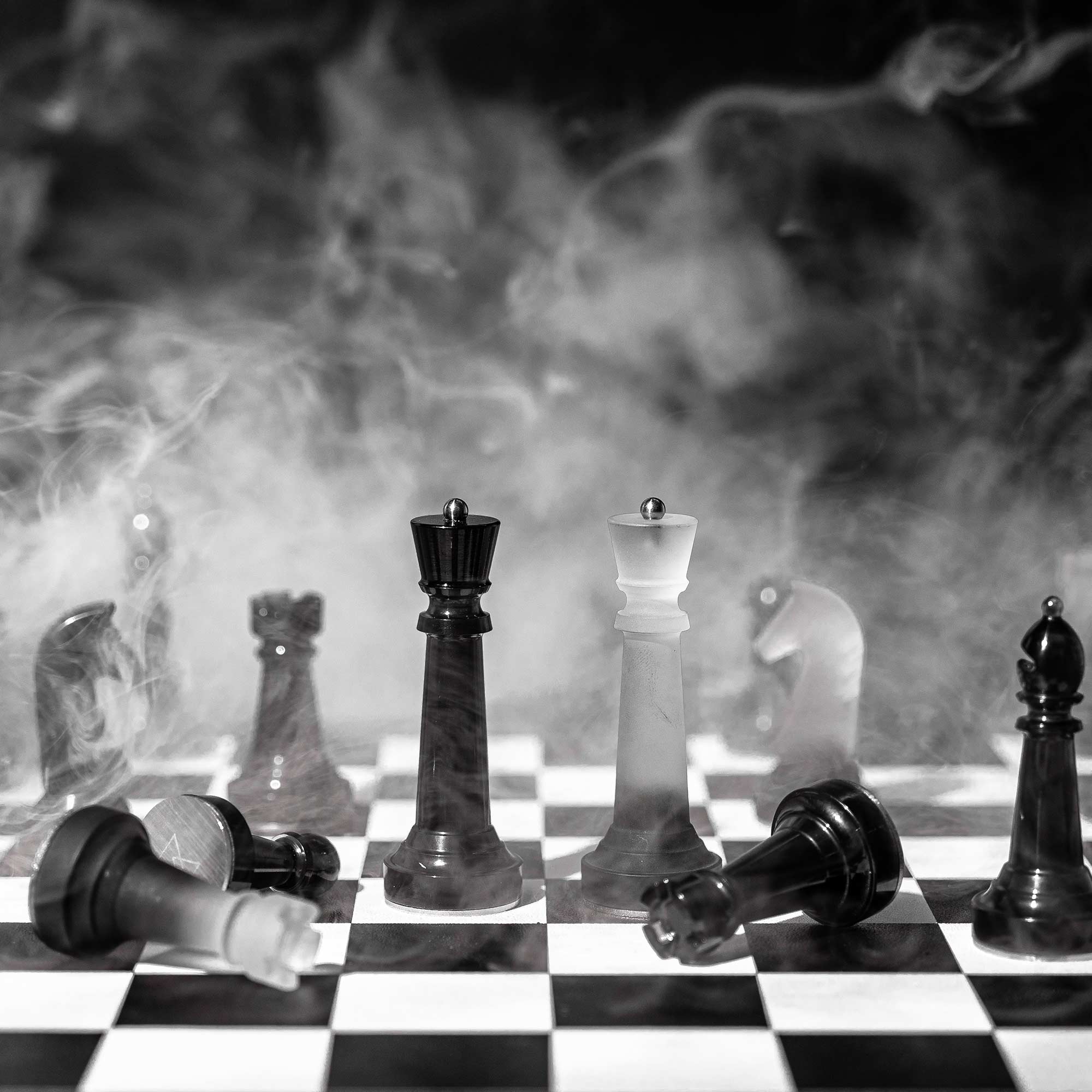
Identifying the final legal moves on the board
Step 1: Verify the king's status
First, identify which player is to move. Carefully examine that player's King to ensure that it is completely outside the attack range of every opposing piece. In other words, the King must not be in check.
Step 2: Examine every possible king move
Next, inspect every adjacent square surrounding the King. If every square is either controlled by the opponent making it illegal for the King to move there or occupied by one of its own pieces, the King officially has no legal move.
Step 3: Check every remaining piece
Finally, inspect every other piece belonging to the player whose turn it is, including Pawns, Knights, Bishops, Rooks, and the Queen. If all of these pieces have already been captured, are completely blocked from moving, or are pinned so that no legal move exists, the game has officially reached a stalemate.
The strategic value of stalemate in practical chess
Modern chess theory views stalemate in chess not as a matter of luck but as an exceptionally powerful defensive weapon, often referred to as stalemate tricks or swindles.
- For the defending side: When facing an almost hopeless endgame for example, a lone King against a Queen and a Rook your objective shifts toward forcing a stalemate. Experienced players may deliberately sacrifice their remaining pieces through desperado tactics or maneuver their opponent into locking every possible legal move, thereby creating a forced draw.
- For the stronger side: Overconfidence during the endgame can easily transform an almost certain victory into a disappointing draw. One of the most common mistakes is restricting the opponent too aggressively without leaving them a single legal move, unintentionally creating a stalemate position.
Experience clear strategic thinking on a physical chessboard
Complex endgame situations such as stalemate require exceptional board vision and unwavering concentration. This is precisely why many chess enthusiasts around the world continue to prefer over-the-board play on premium physical chessboards rather than digital screens.
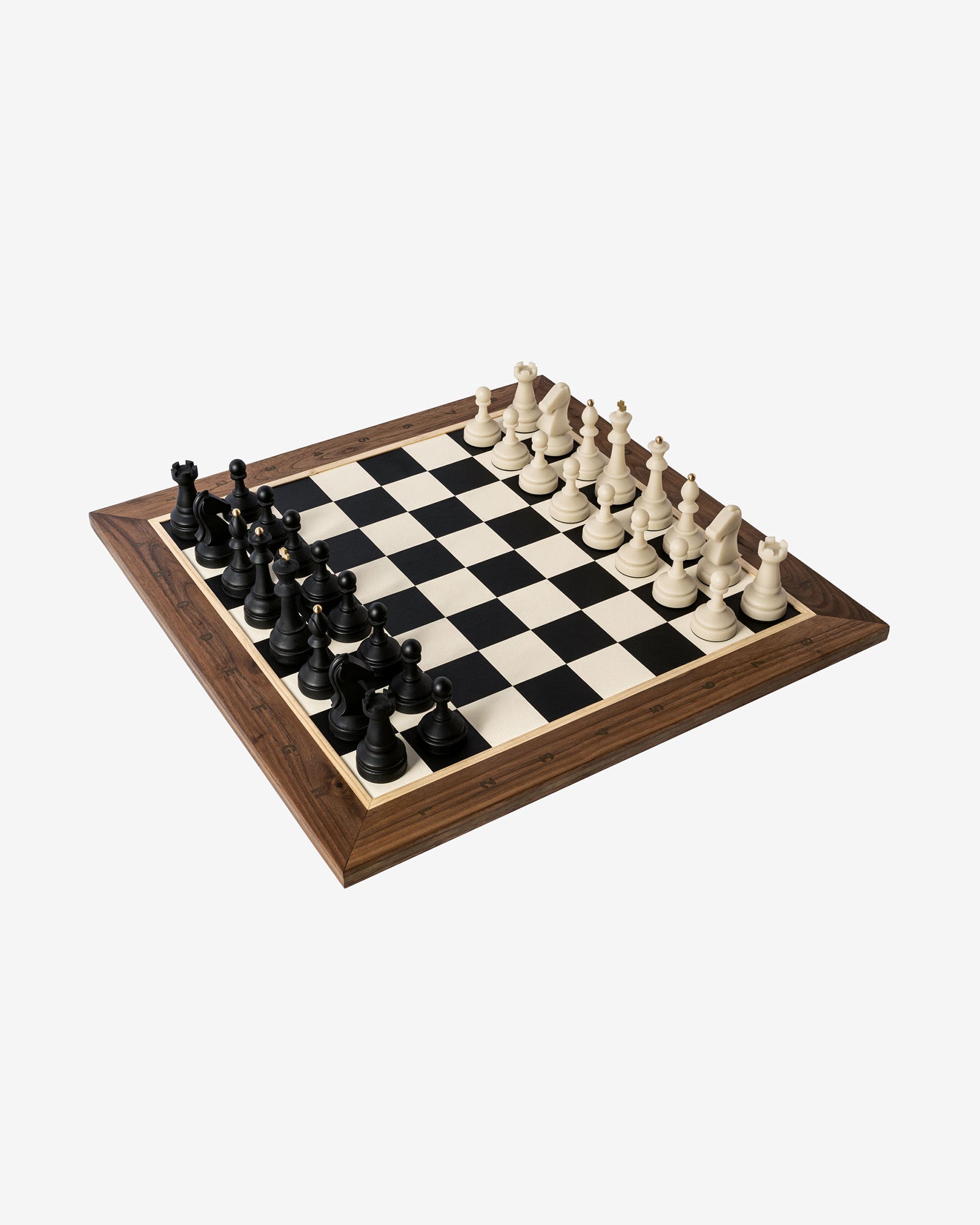
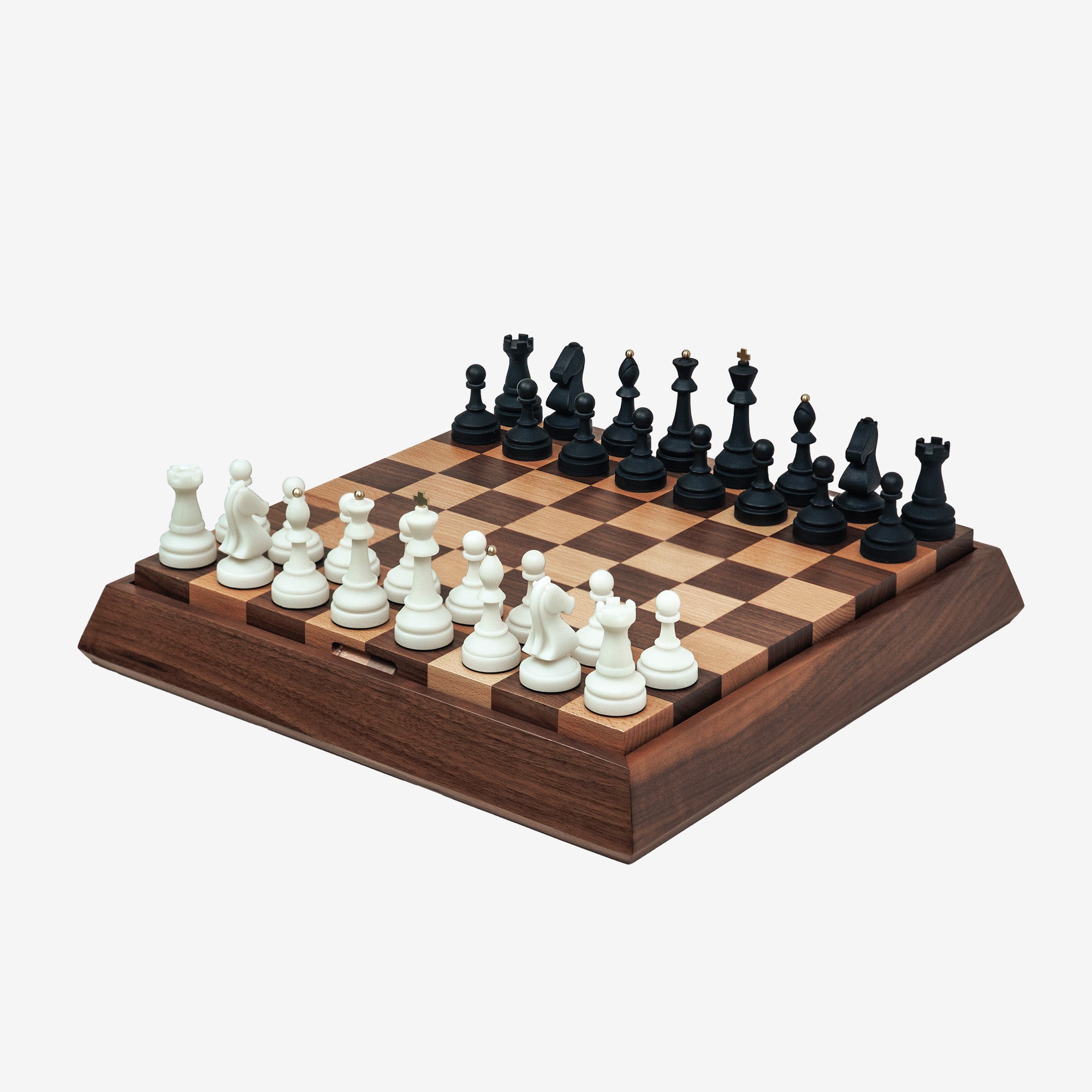
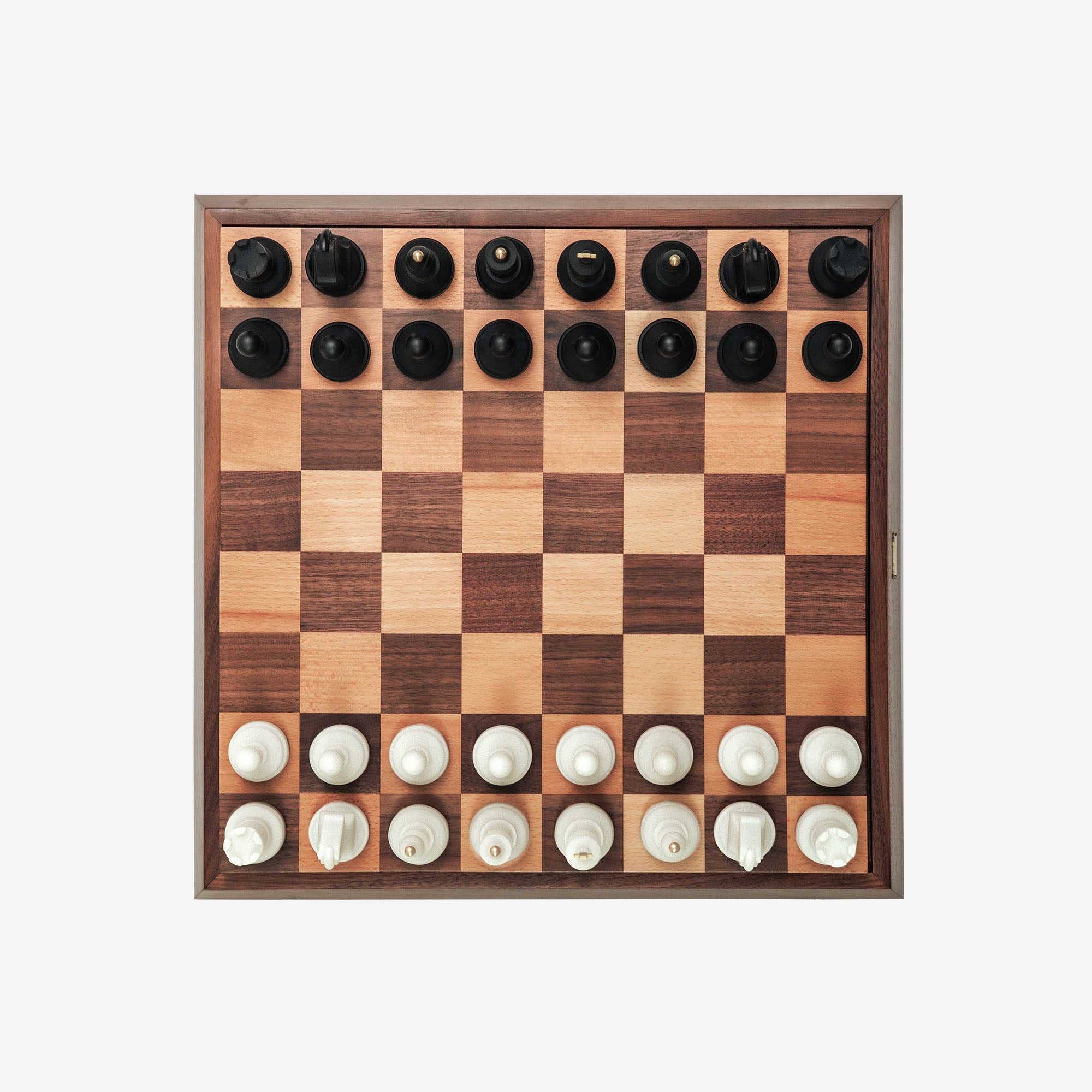
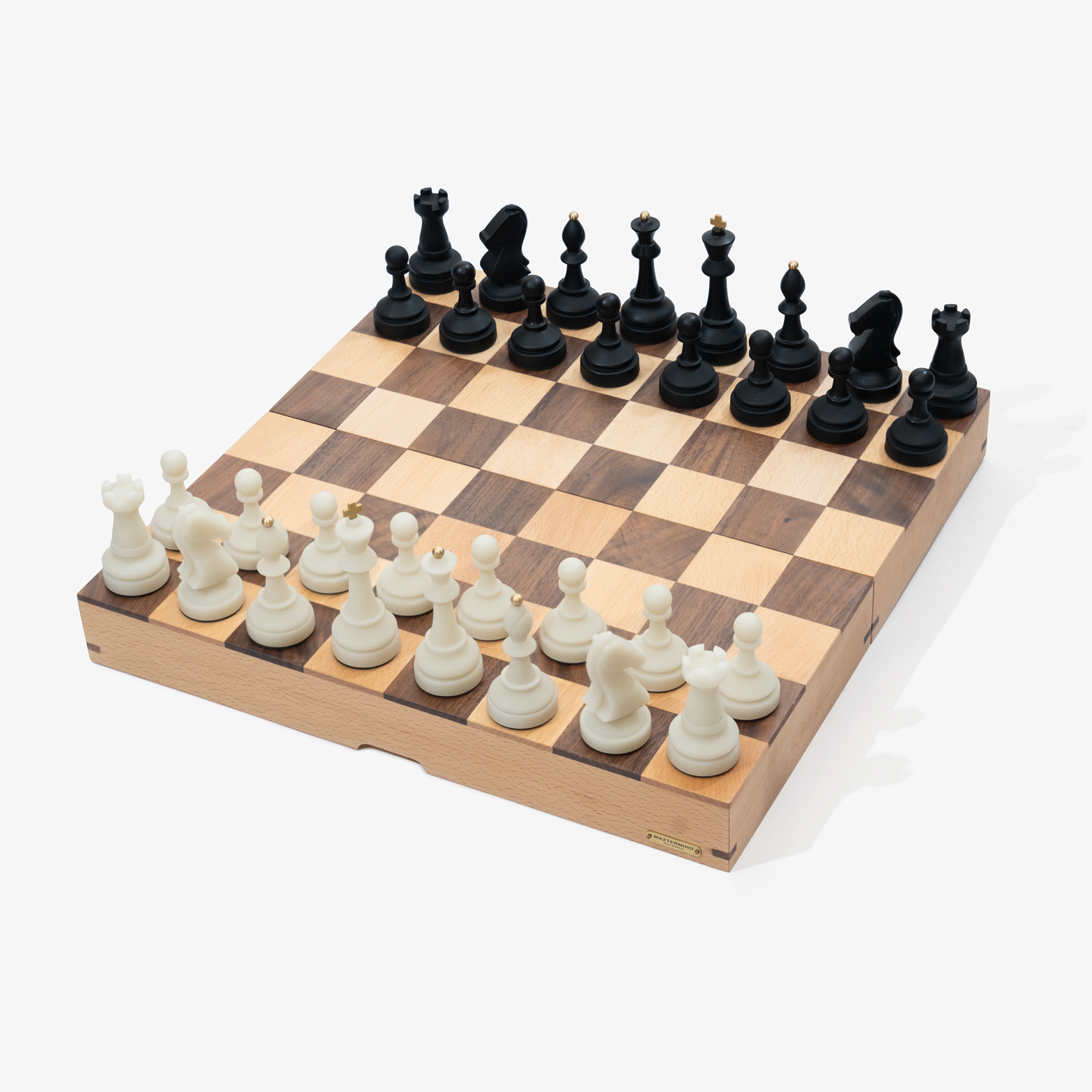
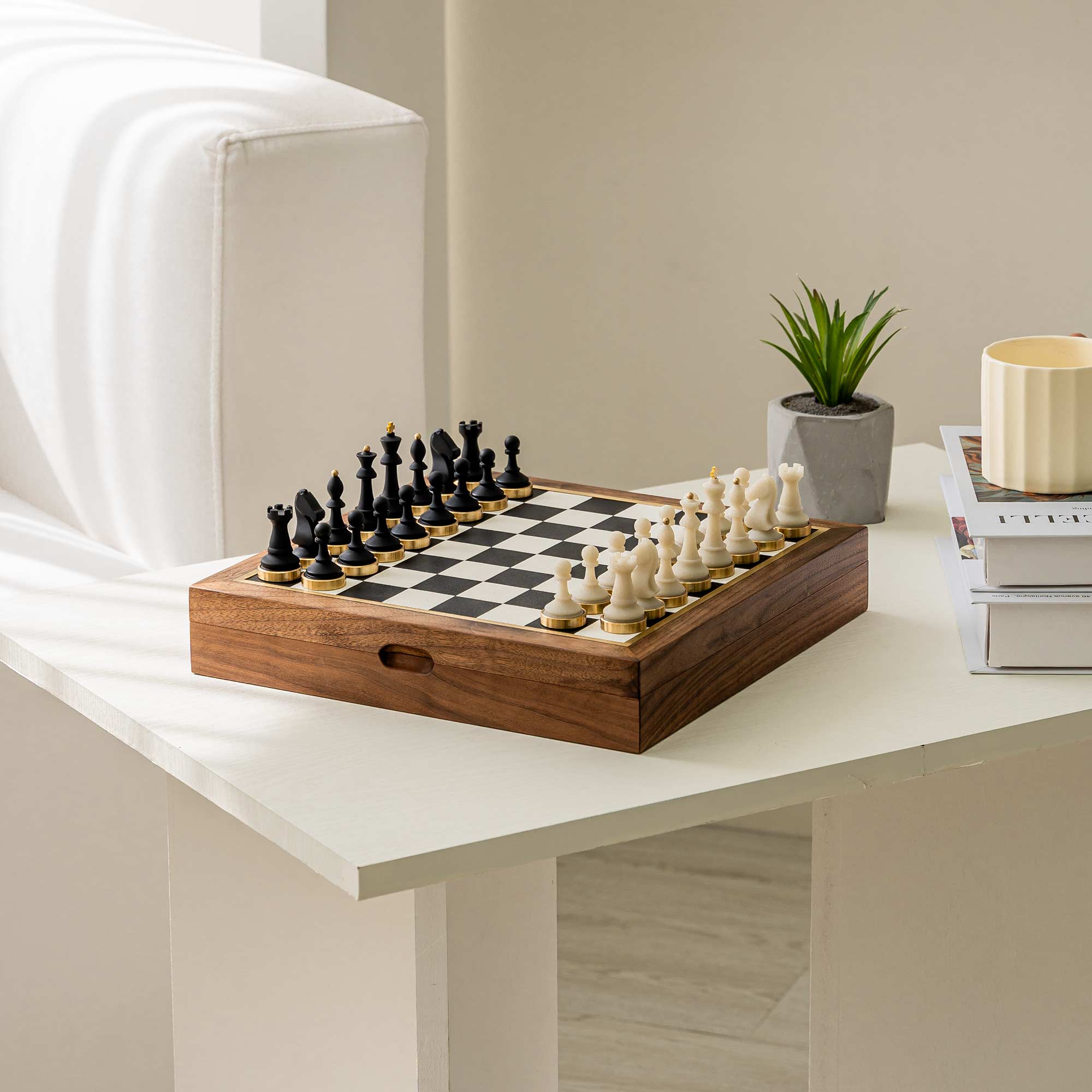
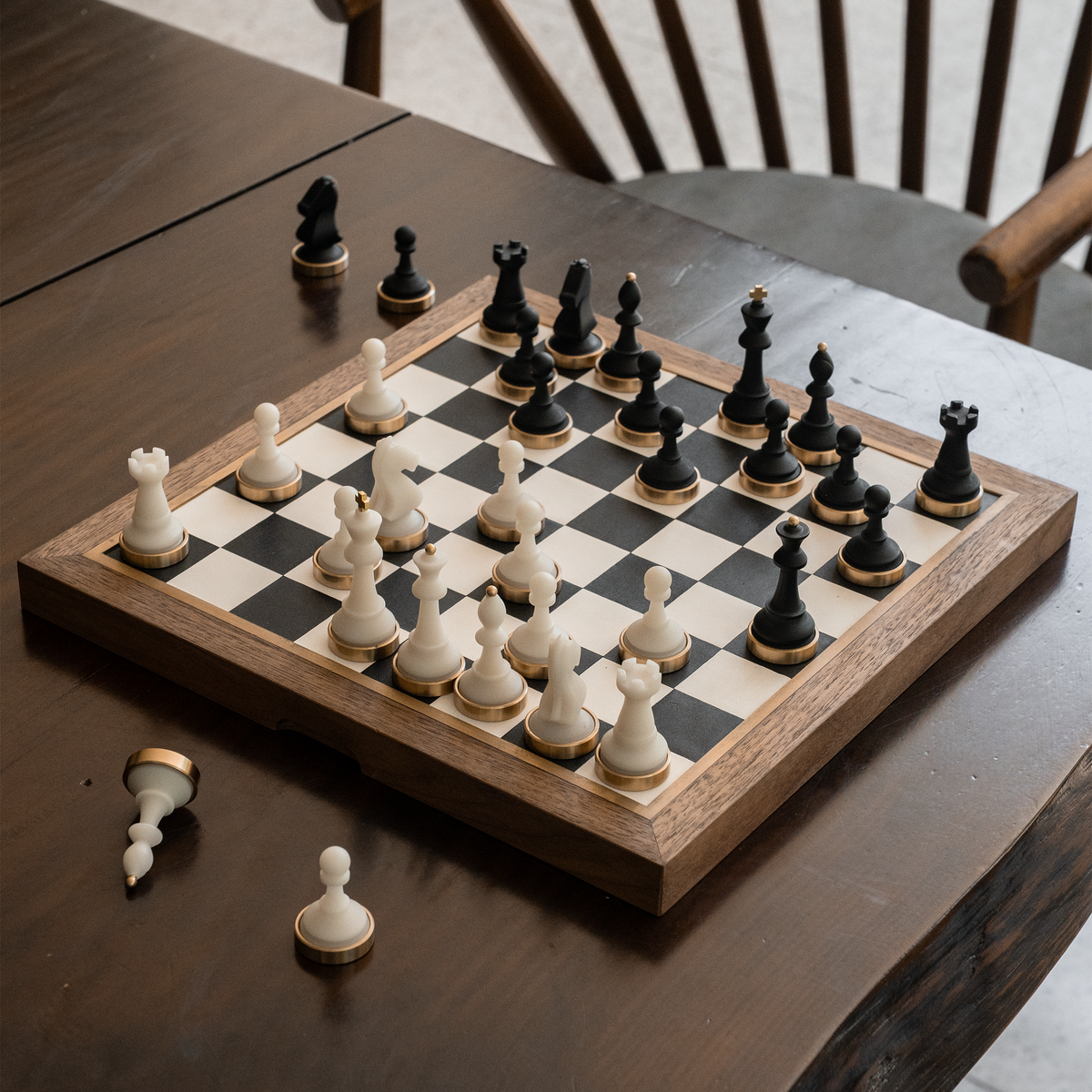
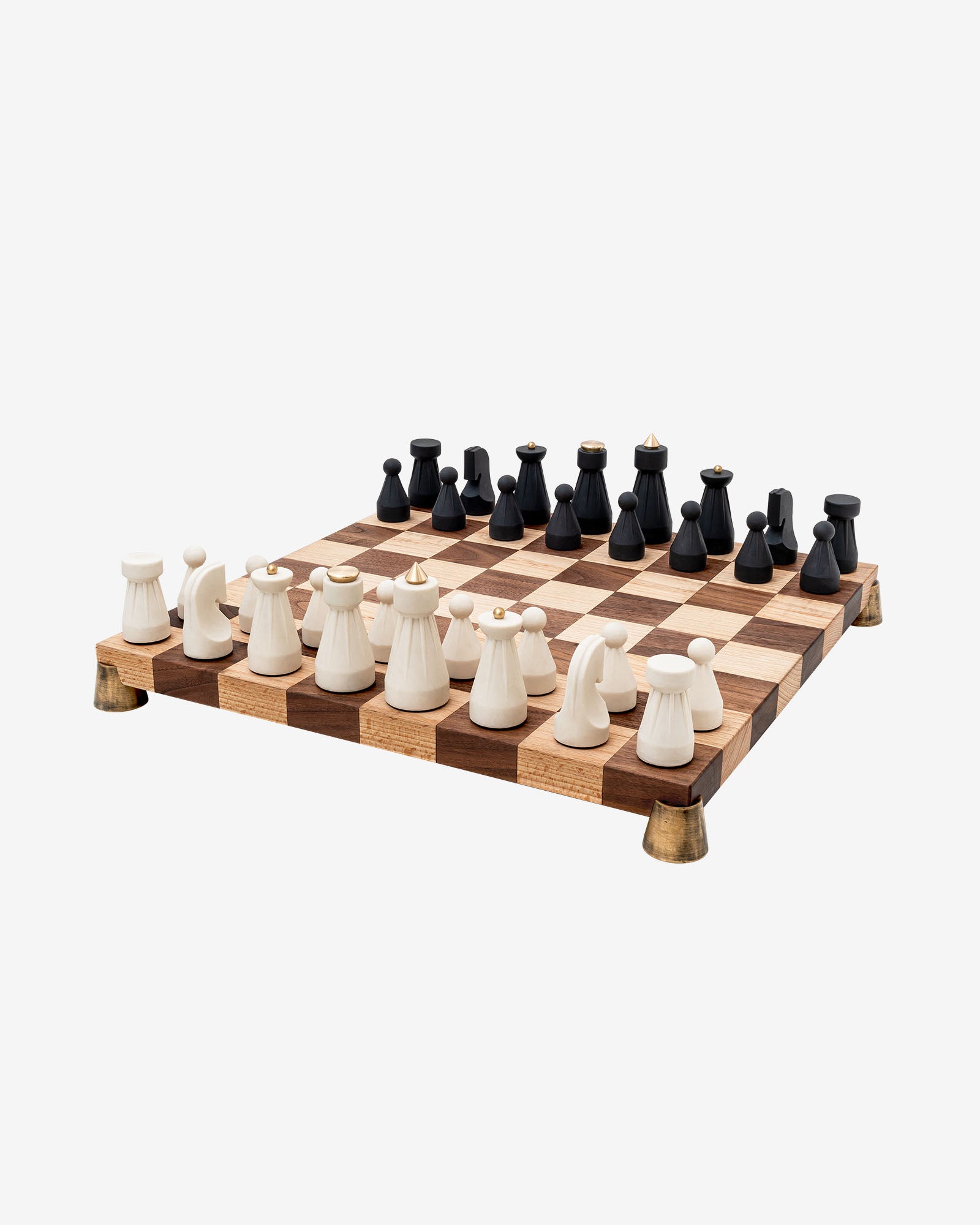
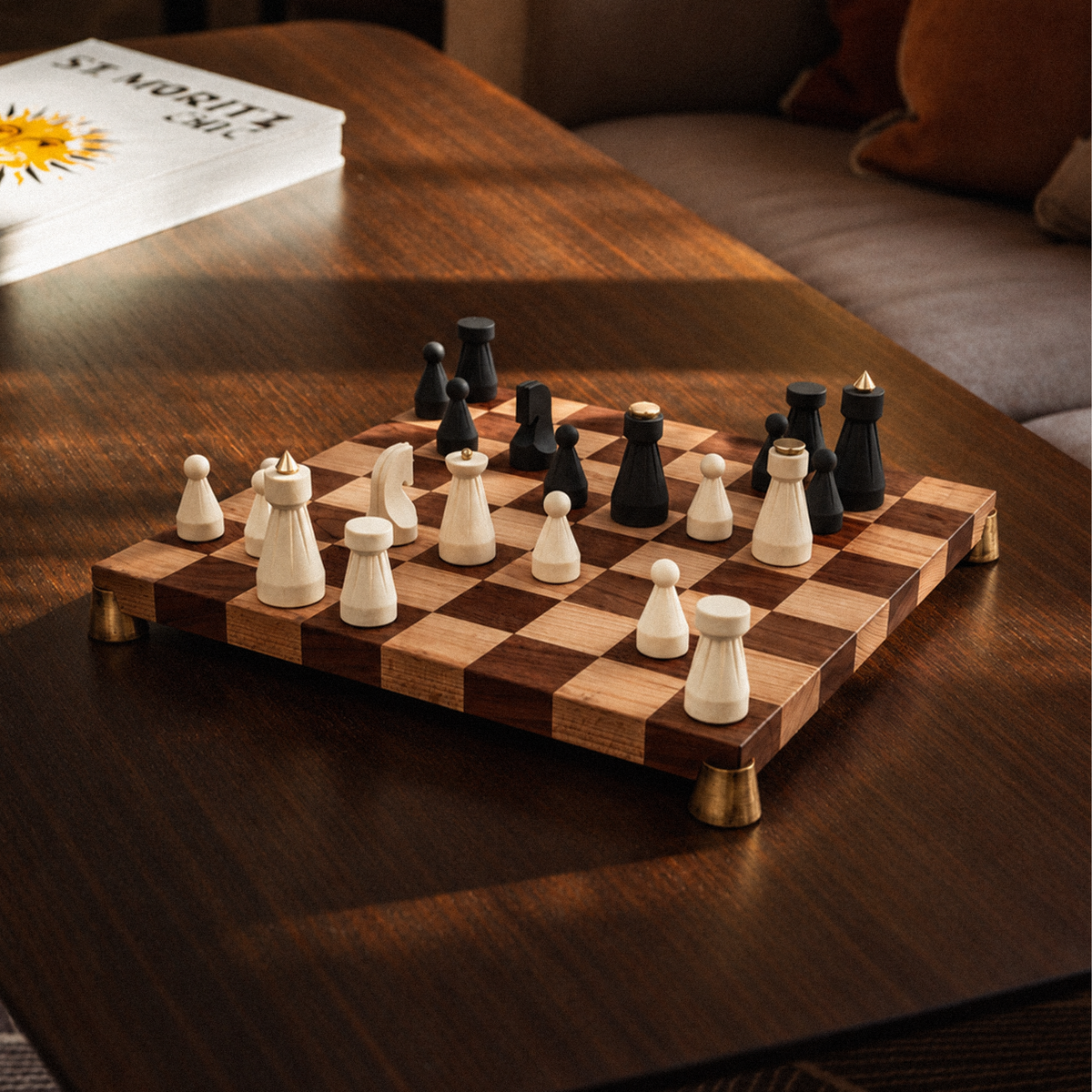
Maztermind chess collections are designed with complete respect for international standards of proportion, dimensions, and visual contrast. Interacting directly with meticulously handcrafted chess pieces, built to tournament-standard sizing and satisfying weight, on a flawlessly finished chessboard minimizes distractions and sharpens your concentration. This authentic tactile experience allows your mind to enter its purest analytical state, helping you recognize even the most subtle stalemate traps before they unfold.

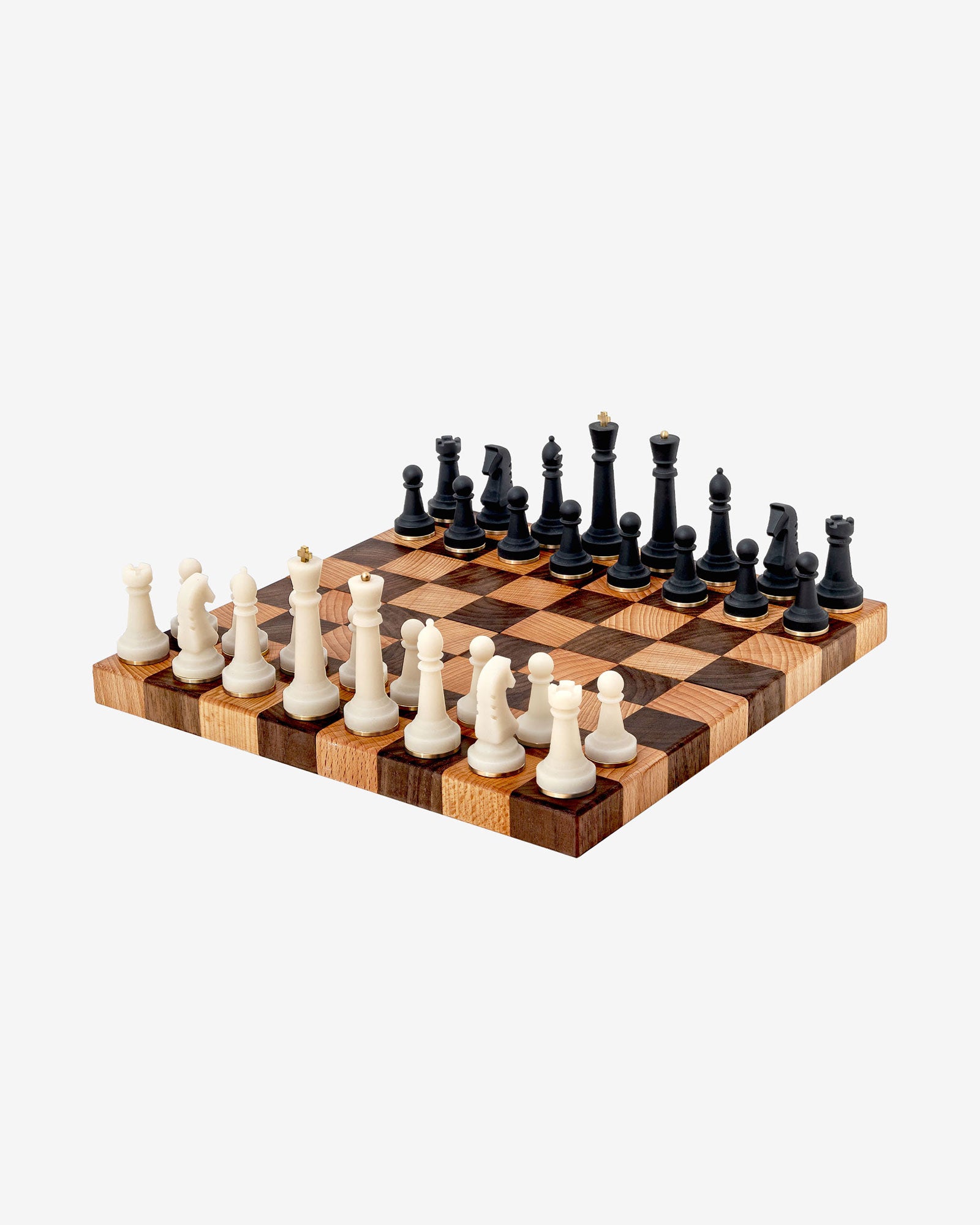
Pure calculation over a premium physical board
>>> See more: Discover the Majestic Mahjong collection for a luxurious blend of craftsmanship and timeless design.
Understanding what is a stalemate in chess is the key to mastering both the rules of the game and the psychological battle that defines dramatic endgames. The true strength of a chess player is measured not only by overwhelming victories, but also by the resilience and strategic awareness required to transform defeat into an honorable draw.
Visit Maztermind today and discover a premium chess set worthy of your next great battle of minds.
You might be interested in



Leave a comment
This site is protected by hCaptcha and the hCaptcha Privacy Policy and Terms of Service apply.