

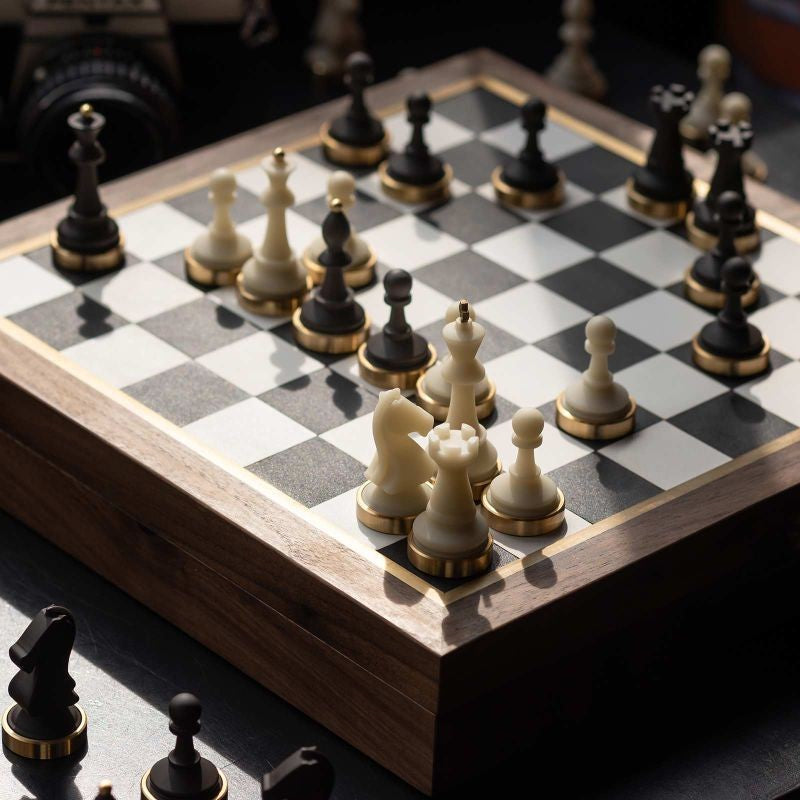
The rapid rise of the digital era has brought remarkable advancements to the game of chess. At the same time, however, it has introduced an invisible threat that undermines the very foundation of this intellectual sport: technology-assisted cheating. The emergence of increasingly sophisticated ways to cheat on chess not only diminishes the excitement of every match but also directly insults the spirit of fair play and the honor of genuine chess players. Equipping ourselves with the knowledge to recognize and expose dishonest tactics is not merely about protecting the outcome of a single game, it is about safeguarding the dignity of chess itself and restoring the game to its purest essence.
The evolution of chess cheating and the scandals that shook history
To understand why cheating on chess is so strongly condemned, we must examine how its methods have evolved throughout history. According to research and reports published by the International Chess Federation (FIDE), early forms of cheating were relatively primitive, involving tactics such as secretly swapping chess pieces when an opponent was distracted, deliberately manipulating chess clocks, or communicating through coded signals with accomplices outside the playing hall.
The darkest turning point arrived with the emergence of powerful chess engines and artificial intelligence programs such as Stockfish, whose calculating ability far surpassed the limits of human cognition. Modern cheaters no longer need to become stronger players, they simply need to find ways to secretly relay computer-generated moves onto the chessboard.
 Spotting the shadows of unfair play
The history of competitive chess has witnessed several notorious scandals documented by respected international chess organizations.
- Toiletgate Scandal (2006): During the FIDE World Chess Championship match between Vladimir Kramnik and Veselin Topalov, a crisis of trust erupted after Kramnik was accused of visiting the restroom more than fifty times during a single game the only location completely free from camera surveillance raising suspicions that concealed analytical devices were being used.
- The Igors Rausis Scandal (2019): The 53-year-old Grandmaster was caught by tournament officials in France secretly using a smartphone inside a restroom cubicle to analyze his position. The devastating photographic evidence permanently ended his professional career and resulted in severe sanctions imposed by the FIDE Ethics Commission.
- Magnus Carlsen vs. Hans Niemann (2022): World Champion Magnus Carlsen unexpectedly withdrew from the prestigious Sinquefield Cup after losing to young Grandmaster Hans Niemann, implicitly suggesting that his opponent had chosen to cheat on chess. The controversy triggered extensive investigations by international anti-cheating experts into the possible use of miniature vibration devices concealed on the body, causing significant reputational damage throughout the global chess community.
A three-step process for identifying chess cheaters
To protect the integrity of a game especially when facing an opponent displaying unusual behavior apply the following structured observation process.
Step 1: Analyze thinking rhythm and move timing
A genuine chess player naturally follows an uneven rhythm of thought. Familiar opening positions or forced tactical exchanges are often played quickly, while complicated tactical positions require extended periods of deep calculation.
A player relying on computer assistance, however, often displays remarkably mechanical timing. Whether the position is simple or extraordinarily complex, every move consistently takes approximately five to ten seconds the time needed to enter the position into a device and receive the engine's recommendation.
Step 2: Compare move accuracy with chess engines
If your opponent repeatedly produces moves that initially appear unusual or even illogical but consistently create overwhelming advantages fifteen or twenty moves later, this should raise serious concerns.
For an average player to maintain near-perfect accuracy while repeatedly matching the strongest recommendations generated by elite chess engines is extraordinarily unlikely without outside technological assistance.
Step 3: Observe real-world behavior and body language
During over-the-board tournaments, cheaters frequently reveal behavioral inconsistencies despite attempting to remain composed. They may repeatedly request restroom breaks, constantly glance around the venue, or perform repetitive physical gestures intended to check concealed devices.
Displaying little visible concentration on the physical chessboard while consistently producing brilliant engine-like moves often becomes one of the clearest warning signs of technological cheating.
The severe consequences of chess cheating
The consequences of cheating on chess are devastating enough to completely destroy both a player's reputation and professional career.
- Permanent loss of titles: Once sufficient evidence has been collected by FIDE or tournament organizers, the offending player may immediately forfeit the game, have previous results annulled, lose prestigious titles such as Grandmaster, and receive lengthy or even lifetime bans from competitive chess.
- Sanctions across global platforms: Major international chess platforms employ advanced Fair Play algorithms capable of detecting suspicious playing patterns. Accounts displaying abnormal statistical behavior are permanently suspended or removed, with offenders often publicly identified before the worldwide chess community.
- Total collapse of reputation: Chess is a sport built upon honor. Once branded a cheater, a player risks permanent rejection from the chess community, the loss of sponsorship agreements, and exclusion from legitimate clubs and elite competitions.
Technology, anti-cheating measures, and the return to over-the-board chess
As technological cheating continues to evolve, the history of chess has also witnessed increasingly sophisticated anti-cheating methods. These range from metal detectors and radio-frequency scanners designed to disable communication devices to advanced statistical algorithms developed by FIDE that compare human decisions with computer-generated moves.
Even so, distinguishing genuine brilliance from concealed computer assistance remains one of the greatest challenges facing international arbiters.
Against a backdrop of growing skepticism surrounding online competitions, the value of traditional over-the-board chess played on physical chessboards has never been greater. Returning from digital screens to real playing environments does more than eliminate hidden technological interference, it restores the authentic experience of strategic thought. Every move must once again be calculated solely through the player's own judgment, concentration, and courage.
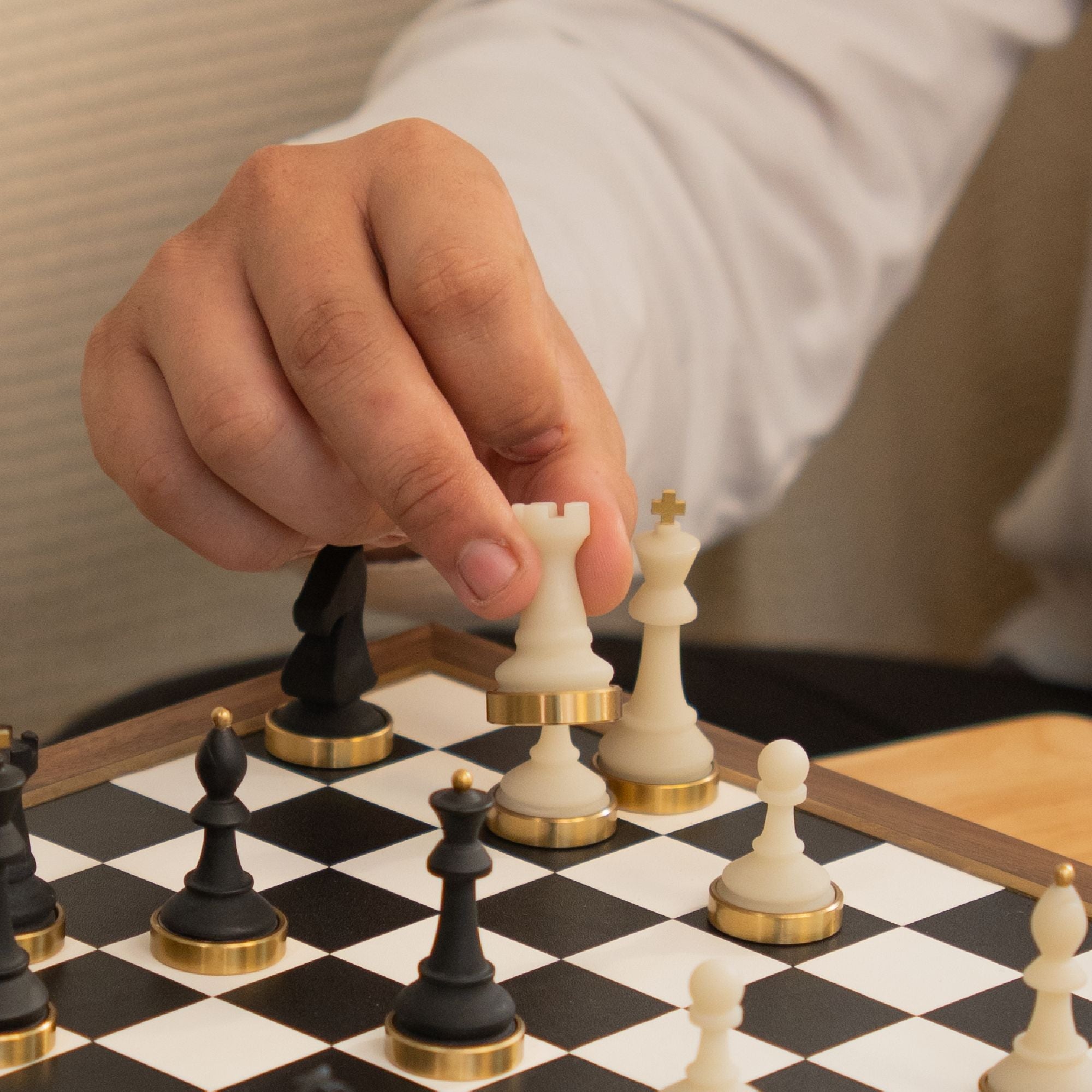
To create such a transparent and sophisticated playing environment, Maztermind's handcrafted chess sets offer an exceptional solution by naturally separating players from technological distractions. A face-to-face experience centered entirely on strategic reasoning over a tournament-standard physical chessboard demands complete concentration on the reality of the game itself.
Each chess piece is meticulously crafted with substantial weight, tournament-appropriate dimensions, and impeccable finishing, providing players with exceptional visual clarity while ensuring that every attack and defensive maneuver unfolds transparently before both competitors. Once strategic thinking returns to a beautifully crafted physical chessboard, dishonest intentions lose their place. Every move becomes a confident declaration of genuine talent and authentic sportsmanship.
>>> See more: Experience tournament-level play with the Tournament Chess Set, crafted for precision, focus, and fair competition
A masterpiece for display and a distinguished diplomatic gift
Beyond serving as exceptional chess equipment, Maztermind's premium collections establish a new standard of refined living by harmoniously combining exclusive artistic craftsmanship with profound symbolic value.
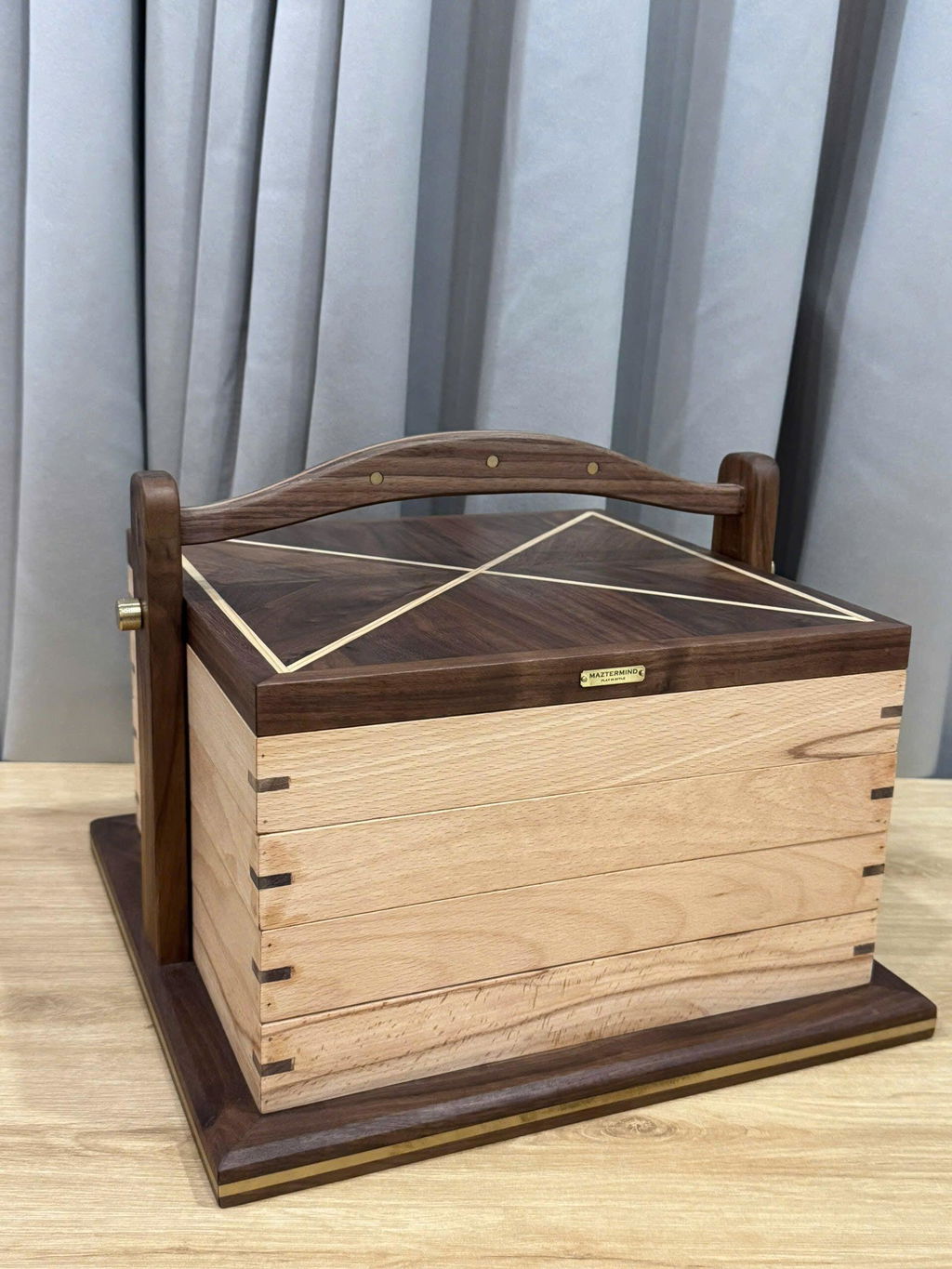
- A sophisticated interior statement: Featuring the rich elegance of natural Walnut wood complemented by precisely laser-cut brass accents, every chessboard becomes an architectural centerpiece. Whether displayed in an executive office, a luxurious living room, or a private study, each set reflects the owner's refined aesthetic appreciation and strategic mindset.
- An extraordinary gift for exceptional occasions: Every Maztermind chess set tells a story of perseverance, wisdom, and intellectual excellence. It is a meaningful diplomatic gift for valued business partners, senior executives, distinguished leaders, or important corporate milestones, strengthening lasting relationships while expressing the prestige of both the giver and the recipient.

A masterpiece of integrity and art
>>> See more: Explore the Luxury Chess Set, where handcrafted artistry and timeless design celebrate the true spirit of chess
Choosing to cheat on chess may deliver a fleeting illusion of victory, but it ultimately destroys the true value of the player behind the moves. Let every game played on a Maztermind chessboard become a pure expression of strategic brilliance, where every victory is earned through authentic skill, unwavering integrity, and genuine sportsmanship.
Visit Maztermind today and discover the perfect companion for your journey toward mastering the highest levels of true intellectual competition.



Leave a comment
This site is protected by hCaptcha and the hCaptcha Privacy Policy and Terms of Service apply.