


Mahjong has long been a cultural icon of tabletop gaming, captivating players around the world with its enduring appeal. When the game arrived in the United States during the 1920s, it did not simply retain its traditional form. Instead, it underwent a remarkable transformation to suit a new pace of life and a different style of strategic thinking. This pivotal evolution gave rise to an entirely distinct variation known as American Mahjong. To enter the game with confidence, understanding the structure of an American Mahjong set, along with the unique tile system and winning-hand requirements that distinguish it from traditional Mahjong, is an essential first step.
Understanding American Mahjong: Differences in tiles and design
To understand what is an American mahjong set, the easiest approach is to compare it directly with the traditional Asian version. The differences begin with the tile composition and extend all the way to the mechanics of gameplay.


Differences in tile count and the introduction of Jokers
The first defining distinction between the two styles lies in the number of American Mahjong tiles used.
- Traditional Mahjong: Uses a standard set of 144 tiles.
- American Mahjong: Requires a total of 152 tiles to play.
This difference of eight tiles comes from the inclusion of eight Joker tiles. In an American mahjong game set, Jokers serve as highly flexible wildcards that can substitute for almost any suited or honor tile when forming matching groups of three or more identical tiles. The presence of these versatile tiles dramatically alters strategic possibilities, making hands far less predictable and keeping the outcome uncertain until the very last moment.
 The Joker tile – The ultimate game-changer in American Mahjong
>>> See more: Explore the craftsmanship and versatility of the Luxury Mahjong Set
Supplemental Tiles and westernized symbols
In addition to the familiar suit tiles (Dots, Bamboos, and Characters) and honor tiles (Winds and Dragons), American mahjong tiles have been adapted to make the game more accessible to Western players.
- Character suit tiles are typically marked with Arabic numerals (1–9) alongside the traditional Chinese characters for easier recognition.
- Wind and Dragon tiles often feature English lettering, such as E, S, W, and N for the Winds, along with corresponding English abbreviations for Dragons.
- While traditional Mahjong may or may not include bonus tiles depending on regional rules, a standard American mahjong set must always contain all eight Flower tiles, which play a direct role in scoring and hand construction.
Essential accessories: The rise of racks and pushers
Unlike traditional Mahjong, where players simply stand their tiles on the table, American mahjong set games require specialized accessories.
- Tile Racks: Each player uses a rack to organize and conceal their tiles from opponents while keeping them neatly displayed.
- Pushers: Often attached to or used alongside the rack, pushers help move entire rows of face-down tiles smoothly during wall construction and gameplay. Since American Mahjong emphasizes orderly tile walls, pushers allow players to shift rows elegantly without disturbing the table layout.

Elegant setups with specialized racks and pushers for seamless transitions
American Mahjong rules: A gameplay structure distinct from traditional Mahjong
An American mahjong game set follows a structured sequence of play, including several phases that differ significantly from traditional Asian Mahjong.

The structured and engaging sequence of an American Mahjong match
Step 1: Building the walls
All four players shuffle the tiles and build four face-down walls in front of themselves.
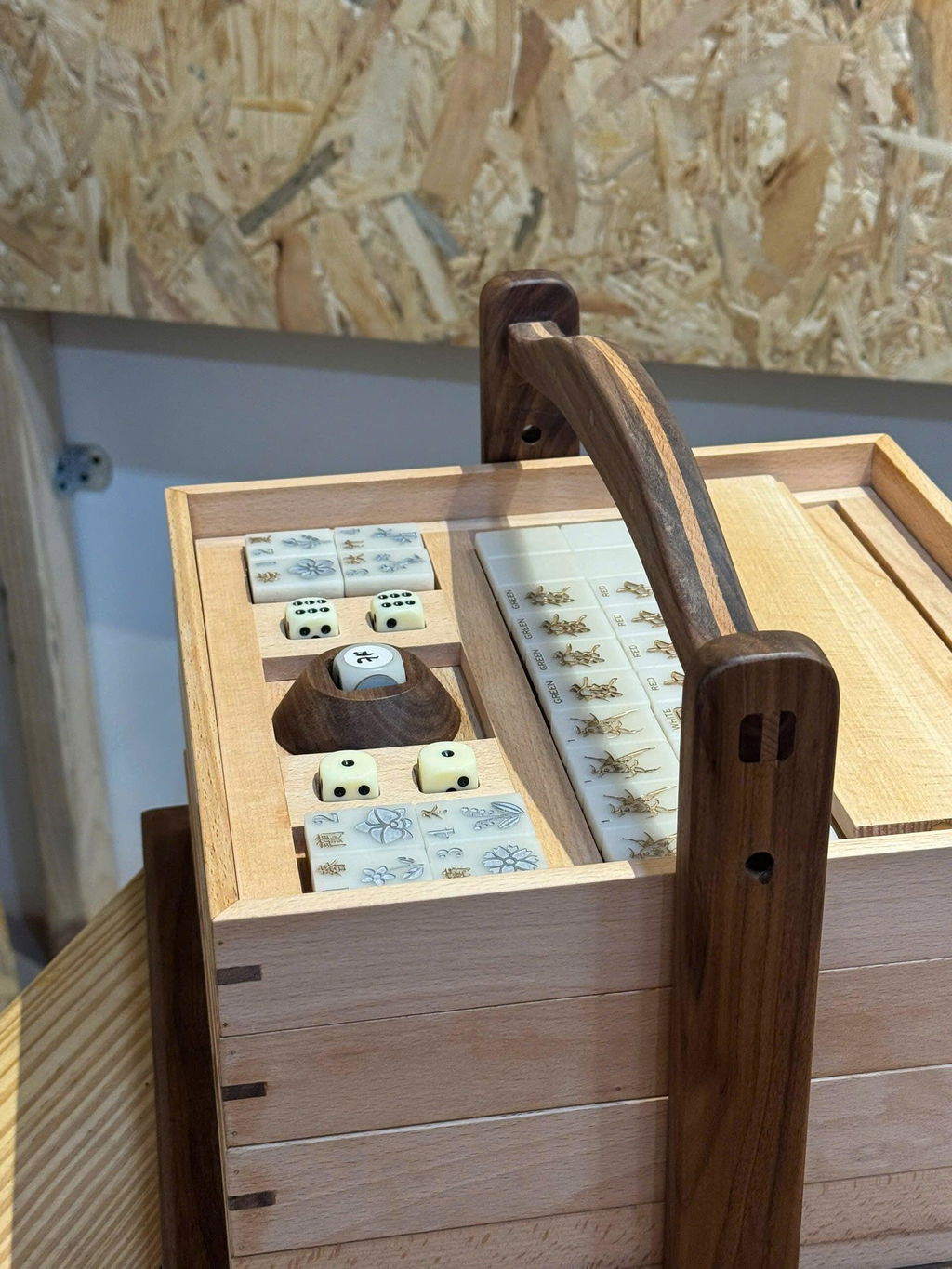
When this process begins with handcrafted masterpieces such as Maztermind's Premium Mahjong Set, the crisp sound of precisely crafted tiles clicking together, combined with the smooth touch of hand-finished natural beech wood backs, immediately awakens the senses and creates the perfect atmosphere for a strategic contest.
Step 2: The charleston (A unique tile-passing ritual)
This is arguably the most distinctive feature separating American Mahjong from its traditional counterpart.
Before actual gameplay begins, players do not immediately start drawing tiles. Instead, they participate in the Charleston, a mandatory tile-exchange process designed to circulate unwanted tiles among participants.
- First Charleston: Each player passes three unwanted tiles to the player on the left, then three to the player opposite, and finally three to the player on the right.
- Second Charleston: The sequence is repeated in reverse order right, opposite, then left. Players may also agree to an optional final exchange known as a Courtesy Pass.
This unique tile-passing phase does not exist in traditional Mahjong. It requires players to begin thinking strategically before the game even starts, balancing their desire to improve their own hand while avoiding giving valuable tiles to their opponents.
Step 3: Drawing, Discarding, and Calling Tiles
After the Charleston, the dealer begins with 14 tiles and discards first. All other players start with 13 tiles. Play proceeds clockwise around the table. Whenever a tile is discarded, players clearly announce the tile being called. In traditional Mahjong, players may call Chow to complete a numerical sequence using a discard from the player immediately before them.
In American Mahjong, however, the Chow rule is completely eliminated. Players may only call a discarded tile if it completes a:
- Pung (three identical tiles)
- Kong (four identical tiles)
- Quint (five identical tiles)
When a tile is called, the completed set must be exposed on the player's rack for everyone to see.
Step 4: Declaring "Mahjong"
The game ends immediately when a player completes a valid hand and proudly declares: "Mahjong!"
The winning hand card: The heart of American Mahjong
The most fundamental difference that shapes every strategic decision in American Mahjong and sets it apart from every other Mahjong variant in the world is the existence of the official Winning Hand Card, commonly known simply as The Card.
Different winning-hand requirements
- In traditional Mahjong, winning hands are governed by fixed regional rules and must be memorized by players.
- In American Mahjong, winning combinations are not fixed.
Players must possess the official annual card published by the National Mah Jongg League (NMJL). A player may only win if their completed hand matches one of the exact combinations printed on that year's card.
A strategic roadmap that changes every year
One of the greatest appeals of American mahjong set games is this constantly evolving ruleset. The official card is updated and republished annually. Hands that dominated the previous year may disappear entirely in the next edition. This perpetual cycle of change transforms American Mahjong into a game that never grows stale, forcing players to continuously adapt, learn new patterns, and sharpen their strategic instincts.
Reading the card and understanding joker restrictions
The official card presents winning hands through a system of coded abbreviations:
- N, S, W, E represent North, South, West, and East Winds.
- F represents Flower tiles.
- Color-coded sections indicate specific suit requirements, determining whether tiles must belong to the same suit or different suits.
Strict Joker Rules
Although Jokers are powerful wildcards, their use is carefully regulated.
A Joker may only substitute within grouped combinations such as:
- Pungs
- Kongs
- Quints
Jokers may never be used to replace:
- Required pairs
- Specific single tiles explicitly listed on the card
This restriction adds another layer of strategic depth and planning.
Elevating the experience through artistic craftsmanship
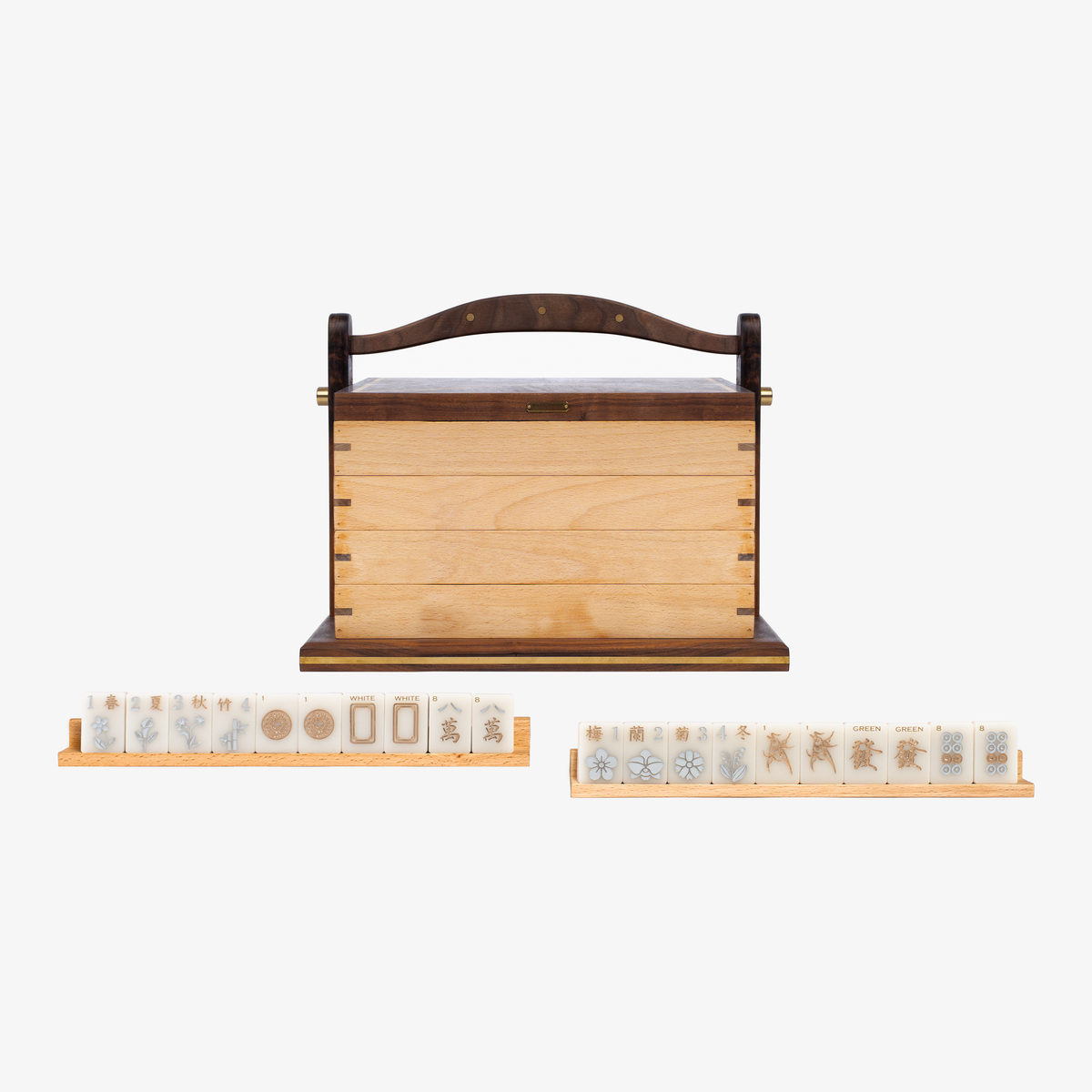
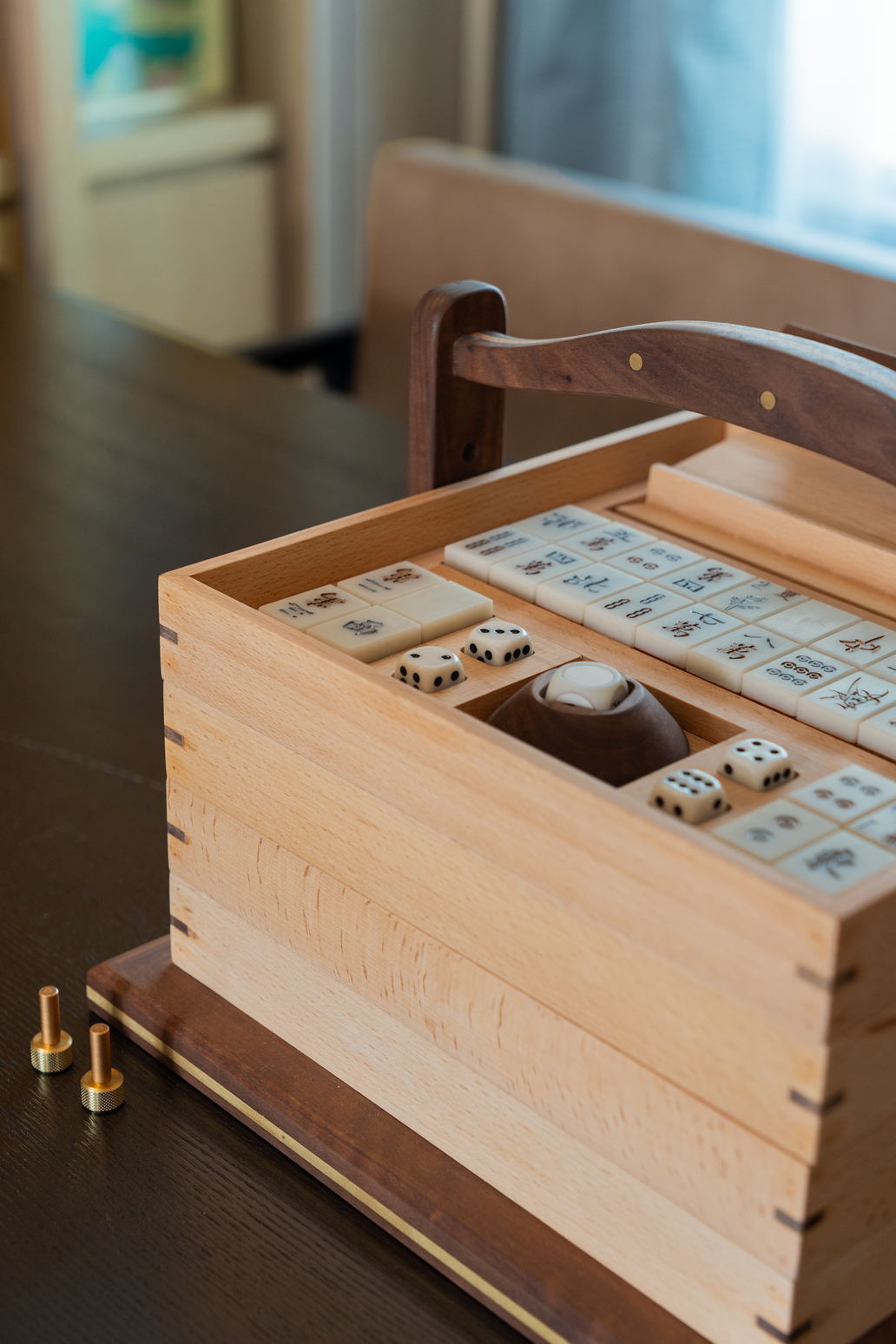
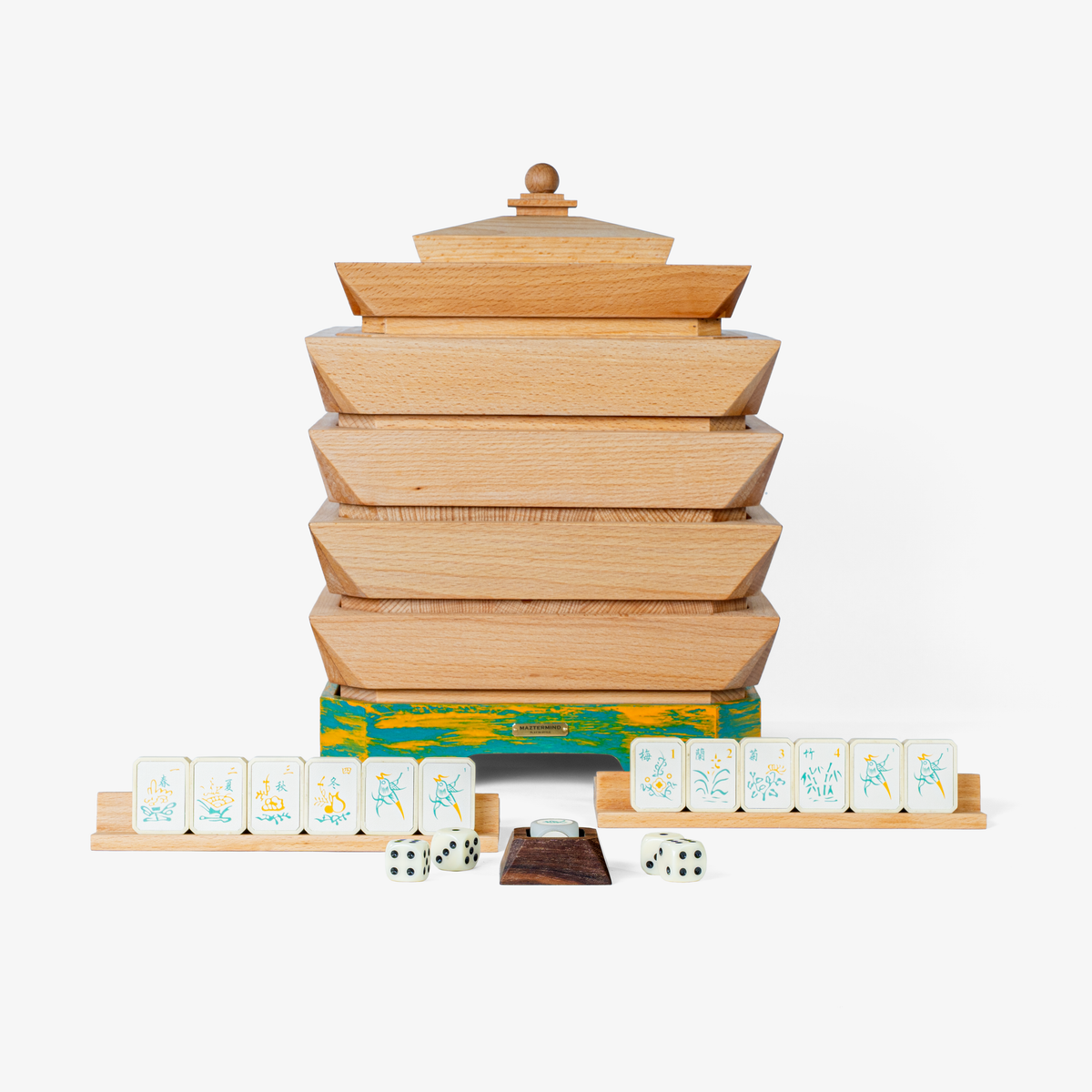
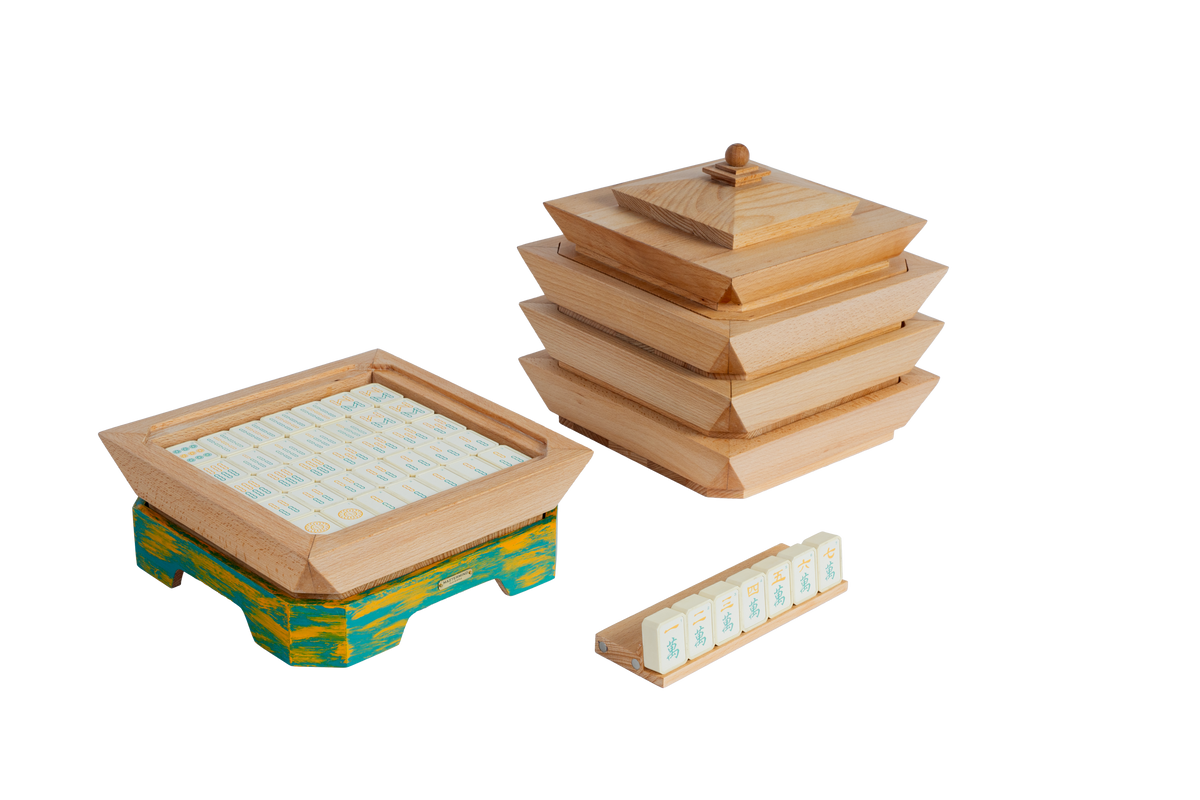
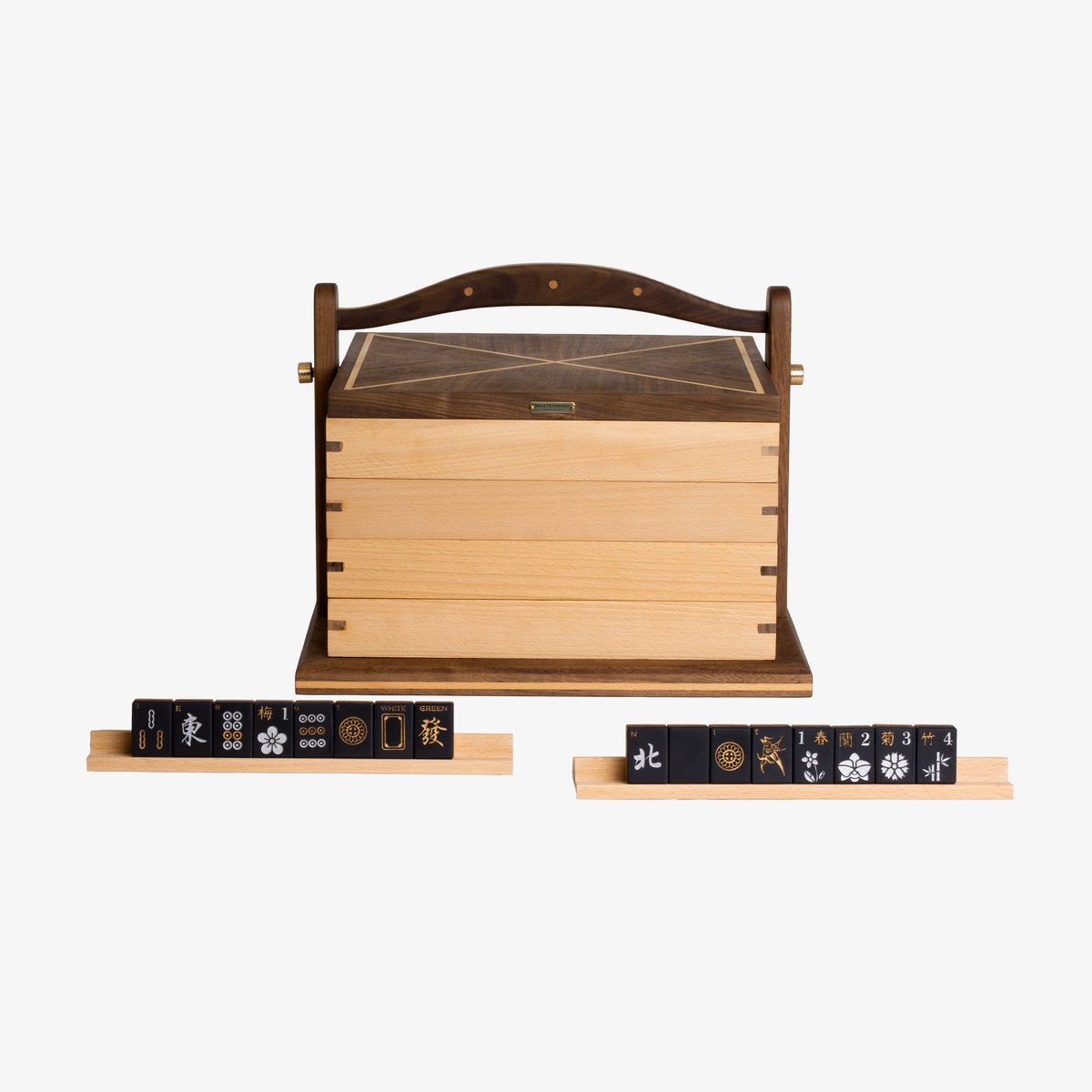
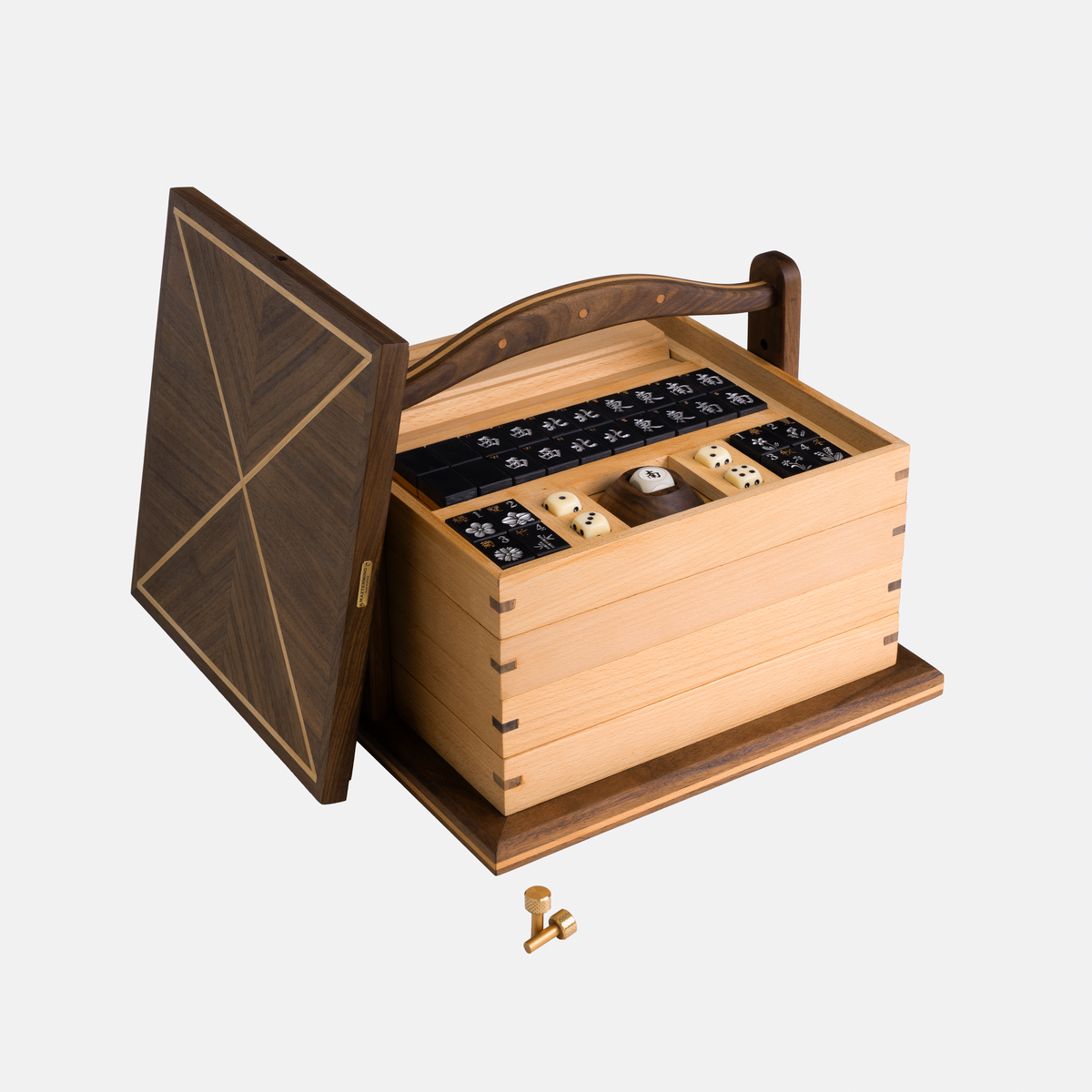
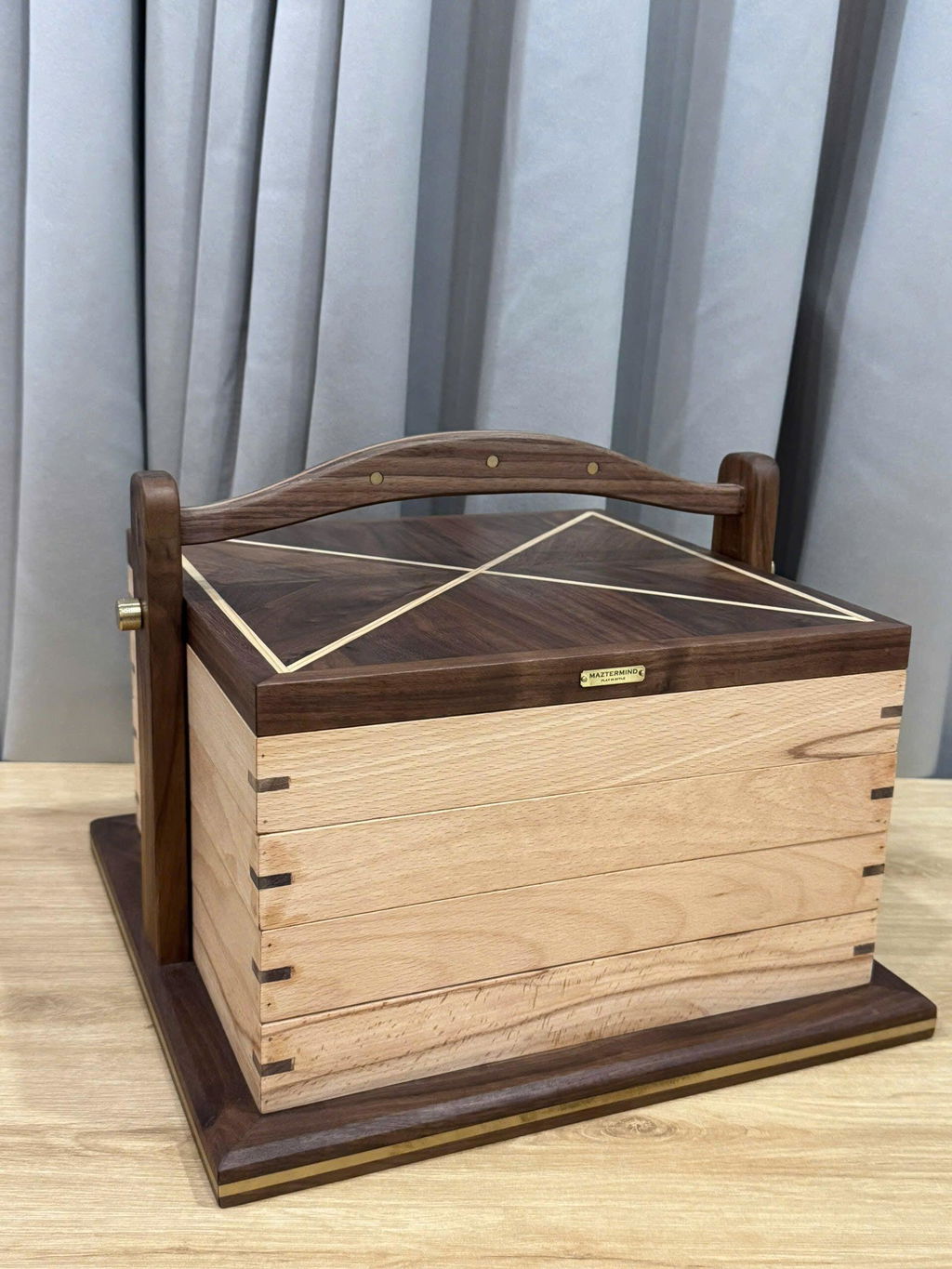
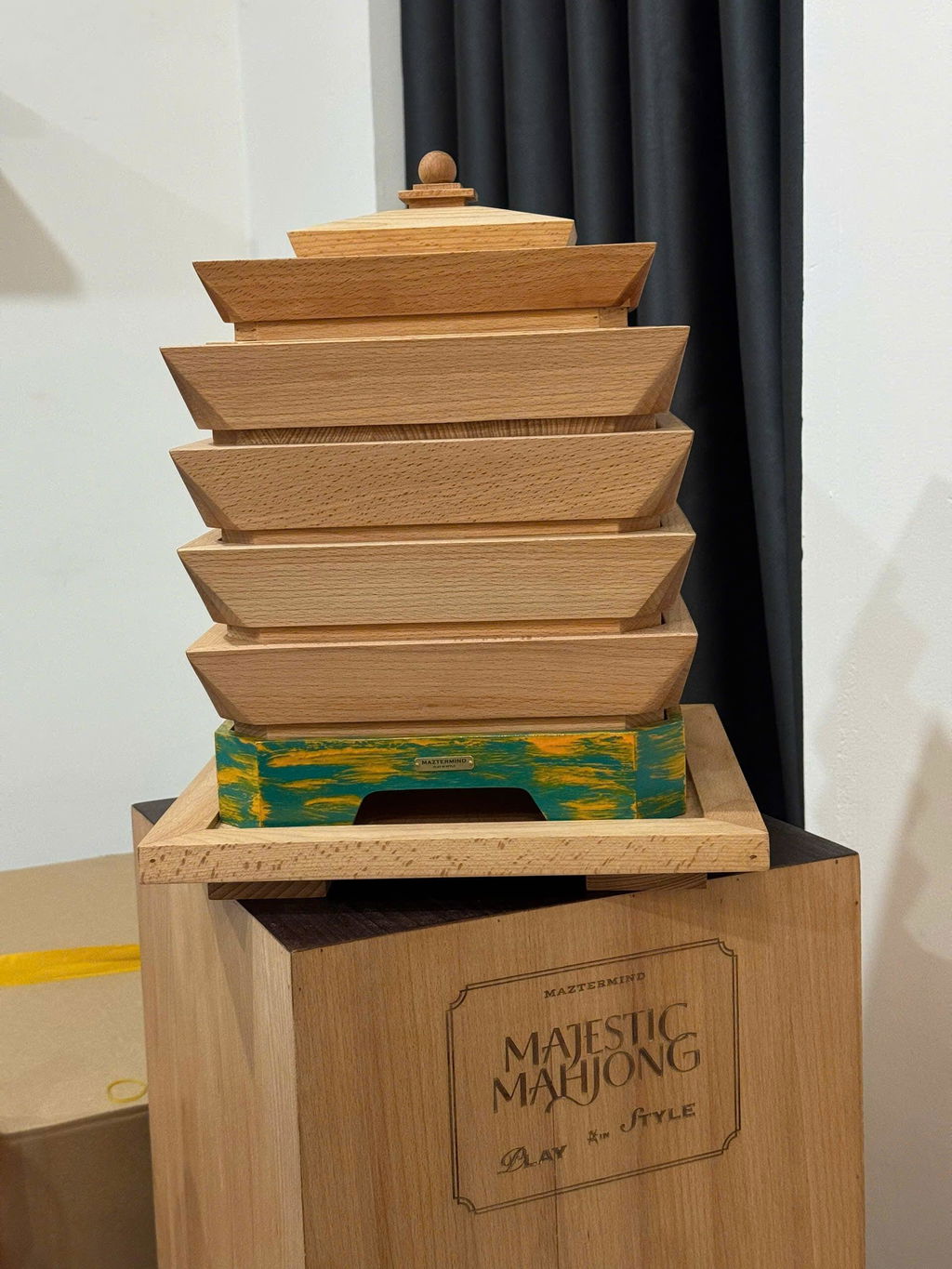
In a game as mentally demanding and dynamic as American Mahjong, the quality of the set itself plays a significant role in enhancing the overall experience. This is why artisan collections such as Majestic Mahjong by Maztermind have become favorites among those who appreciate exceptional craftsmanship.
Rather than relying on mass-produced plastic tiles, each piece is meticulously crafted using premium resin combined with natural wood bases. Traditional Chinese characters, Western symbols, and directional markings are deeply engraved and accented with metallic pigments, creating striking visual contrast under ambient lighting. The smooth, uniform wooden backs allow Charleston exchanges and rack movements to flow effortlessly, transforming every physical interaction into an elegant ritual of play.
Regardless of your preferred Mahjong style, a beautifully crafted set is far more than a tool for strategic competition - it is a luxurious display piece that enhances the sophistication of a living room, study, or tea room.
>>> See more: Discover the artistic elegance of the Majestic Mahjong collection
Far beyond the boundaries of an ordinary recreational game, American Mahjong represents a fascinating cultural fusion where the timeless charm of Eastern tradition meets the dynamic, ever-evolving strategic mindset of the West. Owning an American Mahjong set not only opens the door to countless hours of engaging intellectual competition, but also brings an exquisite work of art into your living space.
Visit Maztermind today to explore our finest handcrafted Mahjong collections, discover a premium American Mahjong set, and create unforgettable moments of connection with the people who matter most.
You might be interested in



Leave a comment
This site is protected by hCaptcha and the hCaptcha Privacy Policy and Terms of Service apply.